How Artificial Intelligence Could Transform Healthcare in Africa
Africa is currently facing significant challenges in the healthcare sector. According to the World Health Organization, the continent carries approximately one-quarter of the world’s total disease burden. However, it is supported by only about 3% of the global health workforce, creating a major gap in patient care and medical services.
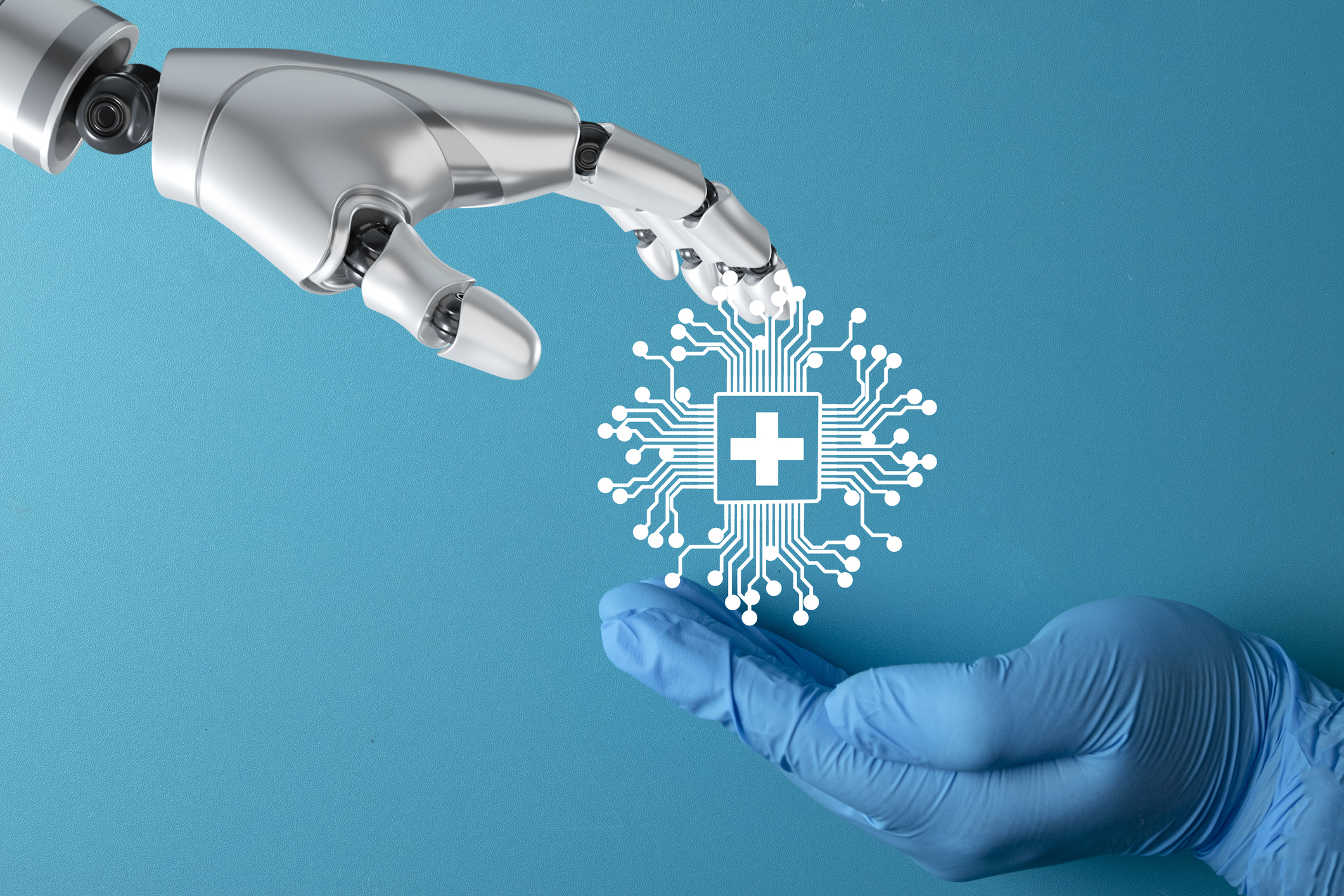
To address these shortages, experts are increasingly looking toward Artificial Intelligence (AI) as a potential solution. By using advanced technology, doctors and researchers hope to improve how diseases are diagnosed and treated across the continent. AI tools can analyze medical data much faster than humans, which is essential in areas where there are not enough trained professionals.
Beyond healthcare, technology is also being reimagined for the agricultural sector. Many African nations rely heavily on farming to support their economies and feed their populations. AI-driven solutions are being tested to help farmers monitor crop health, predict weather patterns, and manage water resources more efficiently. These innovations aim to increase food security and support the livelihoods of millions of people.
While the technology is promising, experts note that successful implementation requires better digital infrastructure and more investment in local talent. Governments and private companies are now working together to ensure that these tools are accessible to everyone, not just those in major cities. If these efforts succeed, AI could play a vital role in solving some of the most pressing issues facing South Africa and the rest of the continent.