Legal Battle Begins Over South Africa’s Land Expropriation Law
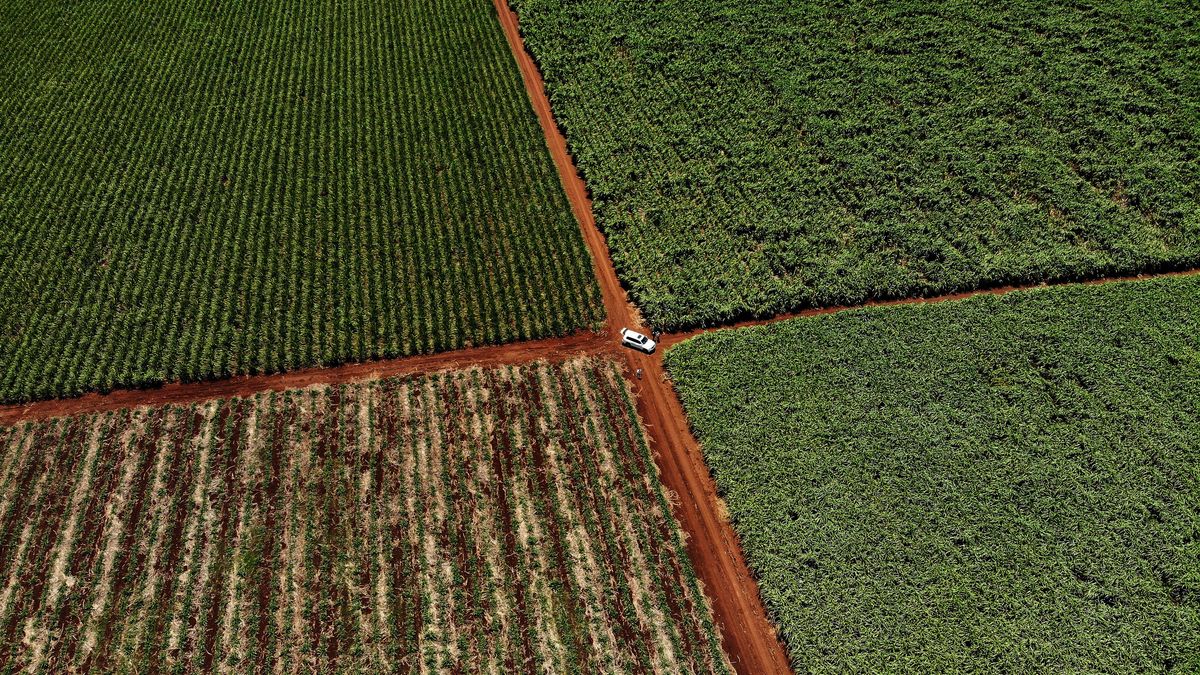
A significant legal challenge has begun in South Africa regarding a controversial new law that allows the government to seize private land. The case, which opened on Monday, focuses on the constitutionality of the legislation and its potential impact on property rights across the country.
This law has become a major point of discussion both locally and internationally. The government argues that the policy is necessary to address historical inequalities and to speed up land reform. By allowing the state to take land, officials hope to redistribute property to citizens who were previously denied ownership under past policies.
However, the law has faced strong opposition from various groups who fear that it could threaten economic stability and private ownership. Critics argue that the process of seizing land could discourage investment and create uncertainty for farmers and business owners who rely on secure property rights.
The international community is also watching the situation closely. The United States government has previously expressed concerns about how this policy might affect the nation's economy and international relations. These diplomatic tensions add another layer of complexity to an already sensitive domestic issue.
As the court proceedings continue, the outcome of this case will likely have a lasting impact on South Africa’s legal and social landscape. Both the government and its opponents are waiting to see how the judiciary interprets the balance between land reform goals and the protection of private property.