Preparing for the Future: How South African Families Can Build Resilience
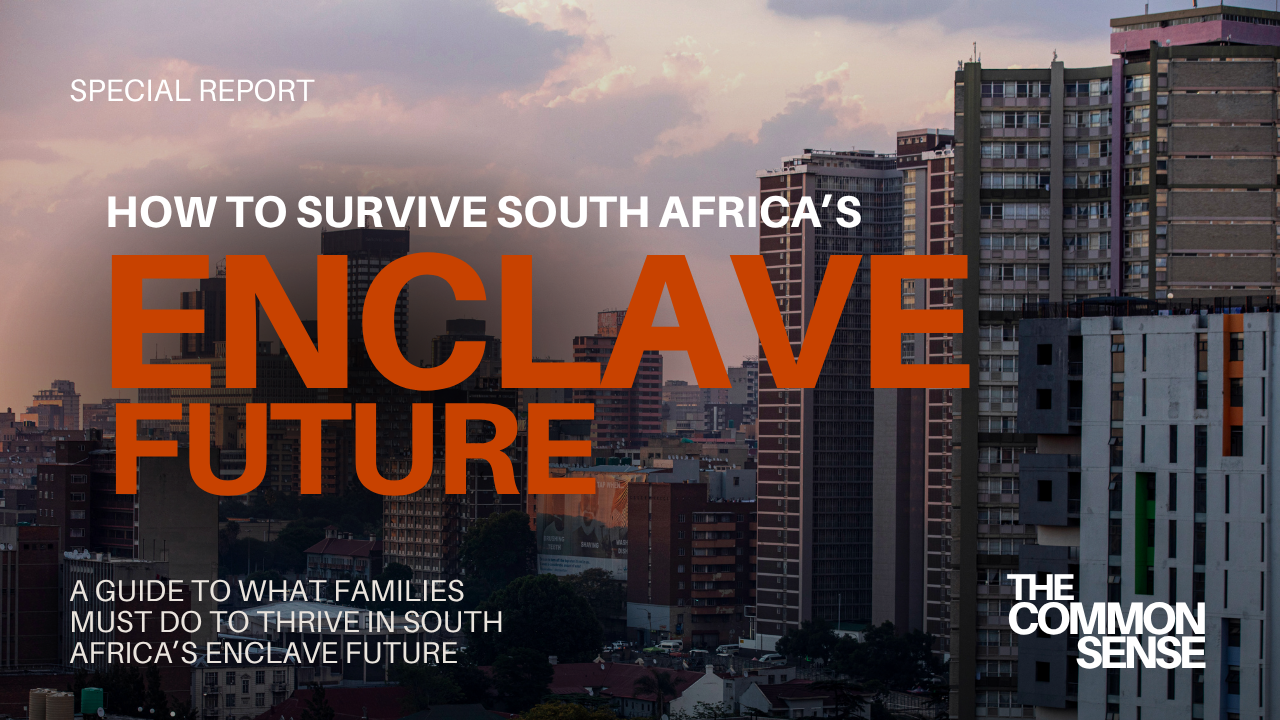
As South Africa faces a changing social and economic landscape, many families are looking for ways to ensure stability and safety for the future. Experts suggest that building resilience at a household level is becoming increasingly important for those navigating the country's evolving infrastructure and service delivery challenges.
One of the primary strategies recommended for families is to focus on self-sufficiency. This includes investing in alternative energy sources, such as solar power, to manage the ongoing instability of the national electricity grid. By reducing dependence on public utilities, households can maintain a more consistent quality of life regardless of external disruptions.
Water security is another critical area of focus. Many families are now installing rainwater harvesting systems and borehole solutions to protect themselves against water shortages. These proactive measures allow households to maintain essential services even when municipal supply systems face technical difficulties or maintenance backlogs.
Beyond physical infrastructure, community cooperation is playing a vital role in local safety and security. Neighborhood associations and community-led initiatives are becoming more common as residents work together to monitor their areas and share resources. This collaborative approach helps to create a safer environment for families and children.
In conclusion, while the future of South Africa presents various challenges, many citizens are choosing to take practical steps to protect their homes and livelihoods. By focusing on energy independence, water conservation, and stronger community ties, families are better equipped to adapt to the changing conditions of the country.