Stigma and Masculinity Keep Many South African Men from Seeking Mental Health Help
Published
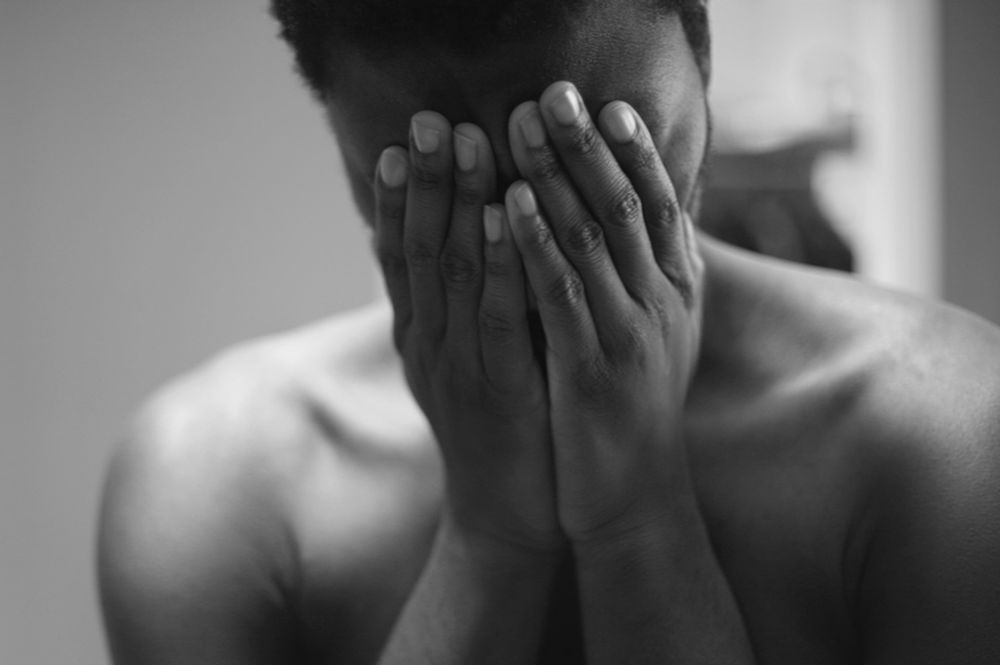
Many men in South Africa still face social and cultural barriers when they struggle with their mental health. These barriers can make it difficult for them to ask for help, even when they need it. Experts say the problem is linked to ideas about what it means to be a man.
In many communities, men are expected to be strong, silent, and able to handle problems on their own. Showing sadness, fear, or stress can be seen as a sign of weakness. Because of this, some men keep their feelings hidden from family and friends. Stigma, or negative attitudes towards mental illness, also makes people worried about being judged by others, so they may avoid visiting a doctor, a clinic, or a counsellor.
This silence can have serious results. When men do not get support early, their problems can become more severe and may affect their work, relationships, and physical health. Mental health specialists encourage men to talk openly about their feelings and to see mental health care as a normal part of looking after themselves. They also say that families, schools, and workplaces can help by creating spaces where men feel safe to speak.
Anyone who is struggling with their mental health in South Africa can seek support from a local clinic, a general practitioner, or a helpline. Talking to someone early can make a big difference.
Sources: IOL
More South Africa news
- PointFive Expands into Africa Through Partnership with Blue Turtle Technologies
- South African Billionaire Co-Founds Tech Company Created in 24 Hours
- Amazon Hopes to Help South African Small Businesses Sell More Online
- South African Startup Wills & Trust Raises Angel Funding for AI-Powered Will Drafting
- ANC and DA Could Together Govern Most of South Africa's Municipalities
- ANC Support Falls in Local Elections as Debate Grows Over South Africa's Political Direction
- Helen Zille Refuses to Withdraw From Johannesburg Mayoral Race as Coalition Talks Begin
- Could Random Selection Replace Elections? A New Debate on Democracy