Can South Africa Build on Its Common Ground?
Published
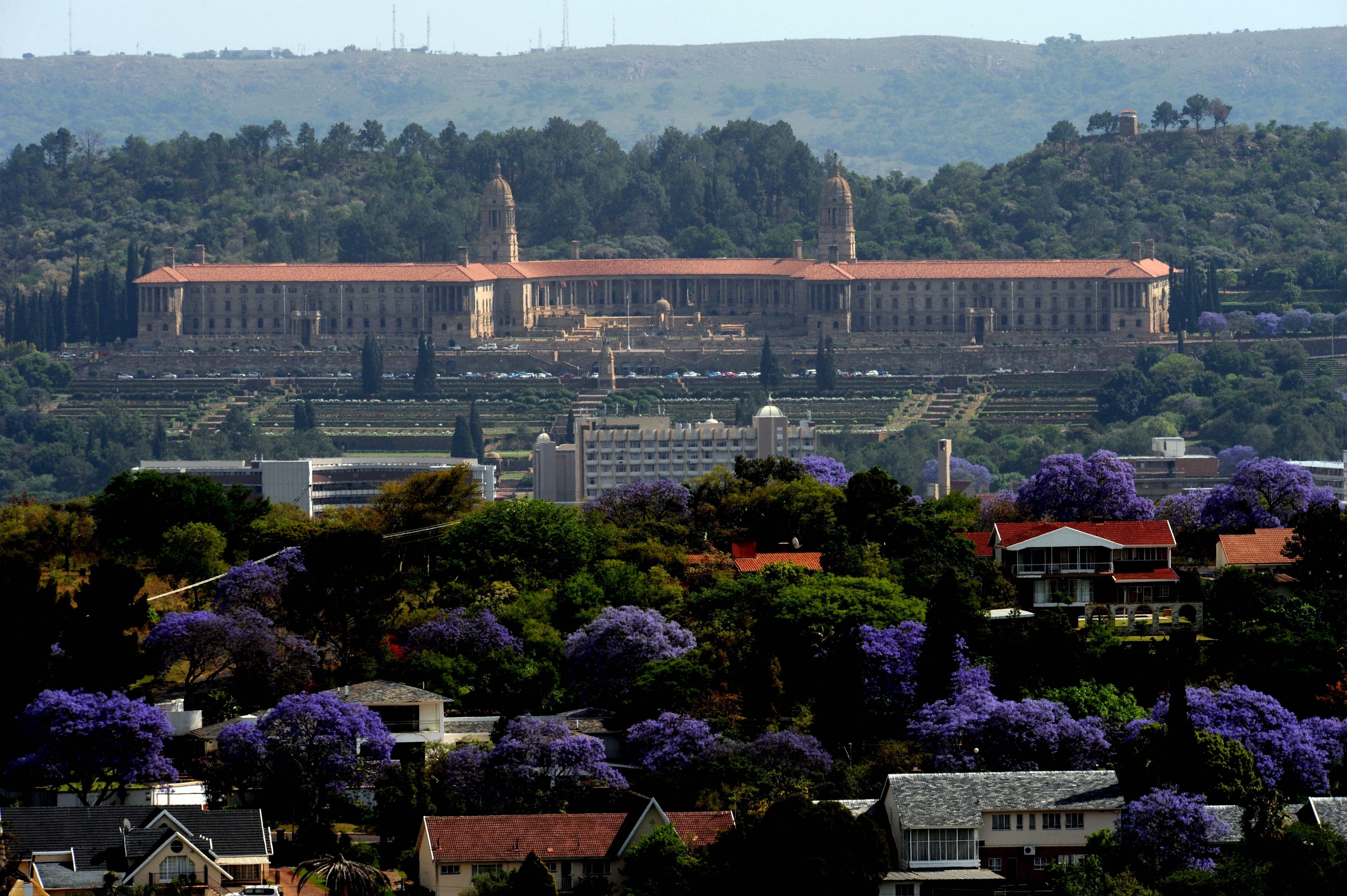
South Africa is a country of many differences. People divide along lines of language, culture, race, income and politics, and these divisions often shape public debate. However, a recent piece from The Common Sense argues that the country shares far more common ground than people usually recognise.
The article says that the main question is not whether shared interests exist, but whether South Africans choose to build on them. According to the piece, the choice is an important one, because the way people respond to their differences affects how the country moves forward. The article describes this choice as something that individuals and communities can make, rather than something decided only by leaders or institutions.
The piece is a commentary and does not present new statistics or detailed evidence in the text available. Its central message is that common ground is easy to overlook when public discussion focuses on conflict. For readers in South Africa, this raises a broader question that many people discuss: which shared goals, such as safety, jobs, education and good public services, might bring different groups together.
The article suggests that the debate over common ground is likely to continue. Readers who want to understand the full argument should read the original article, which is available from The Common Sense.
Sources: The Common Sense
More South Africa news
- PointFive Expands into Africa Through Partnership with Blue Turtle Technologies
- South African Billionaire Co-Founds Tech Company Created in 24 Hours
- Amazon Hopes to Help South African Small Businesses Sell More Online
- South African Startup Wills & Trust Raises Angel Funding for AI-Powered Will Drafting
- ANC and DA Could Together Govern Most of South Africa's Municipalities
- ANC Support Falls in Local Elections as Debate Grows Over South Africa's Political Direction
- Helen Zille Refuses to Withdraw From Johannesburg Mayoral Race as Coalition Talks Begin
- Could Random Selection Replace Elections? A New Debate on Democracy