South Africa’s Political Landscape Shifts as ANC Faces New Challenges
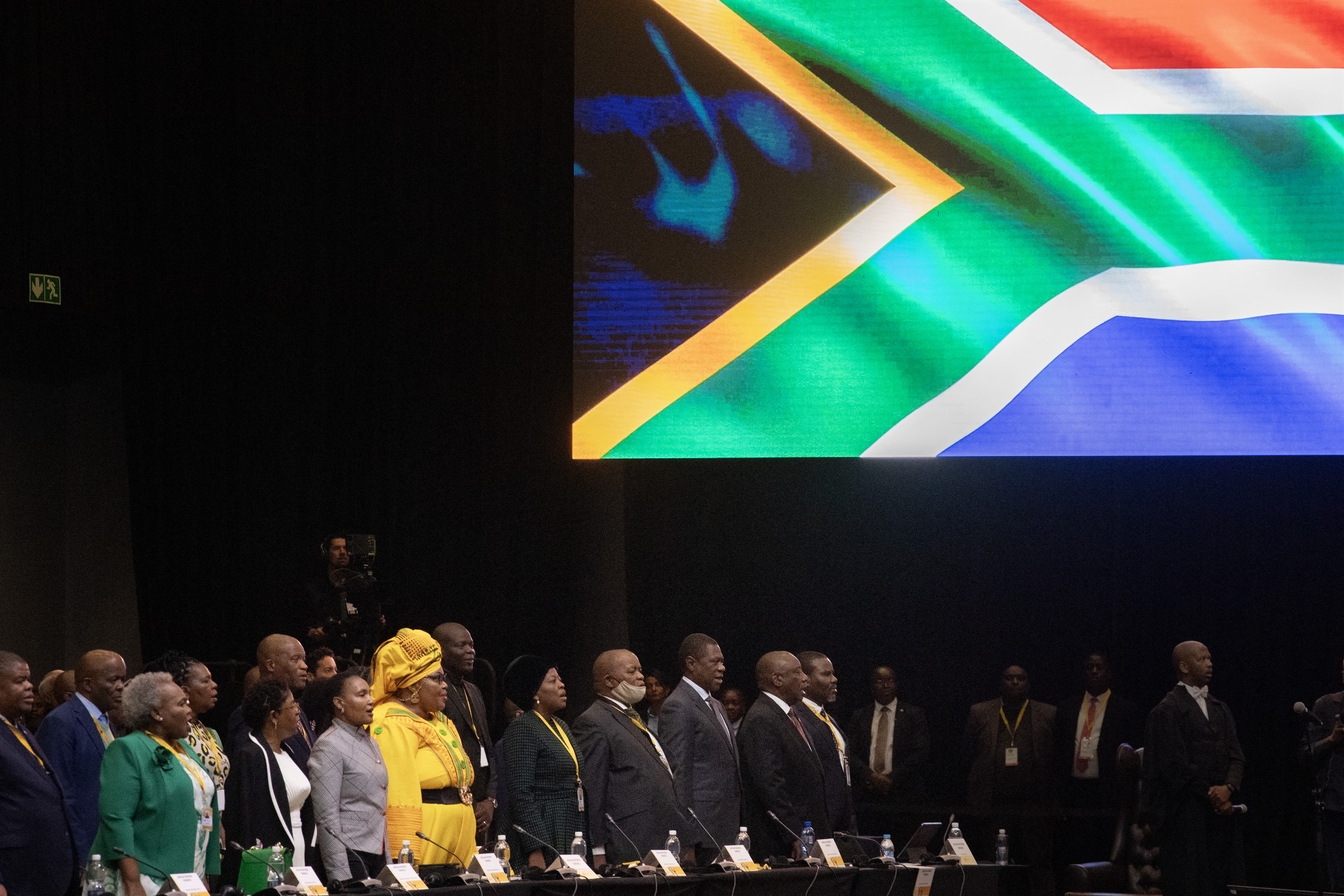
South Africa is experiencing a significant change in its political environment as the African National Congress (ANC) faces declining support. For decades, the party has been the dominant force in the country, but recent developments show that its traditional allies are beginning to distance themselves from the organization.
Analysts suggest that this shift is largely due to public frustration over service delivery, unemployment, and economic stagnation. As the ANC’s popularity slides, long-time partners who stood with the party during the anti-apartheid struggle are now questioning its current direction and leadership decisions.
This change is forcing a realignment within the country's political structure. Smaller parties and new movements are gaining more attention from voters who are looking for alternative solutions to South Africa's pressing social and economic issues. The political landscape is becoming more competitive than it has been since the dawn of democracy in 1994.
While the ANC remains a major player, the breaking of ranks by its former allies marks a turning point. Observers are watching closely to see how these political tensions will influence future elections and the overall stability of the government. For many South Africans, these events signal a new era of political accountability and debate.