Belgium Seeks Skilled South Africans with Up to R90,000 Monthly Pay and 42 Days Leave
Published
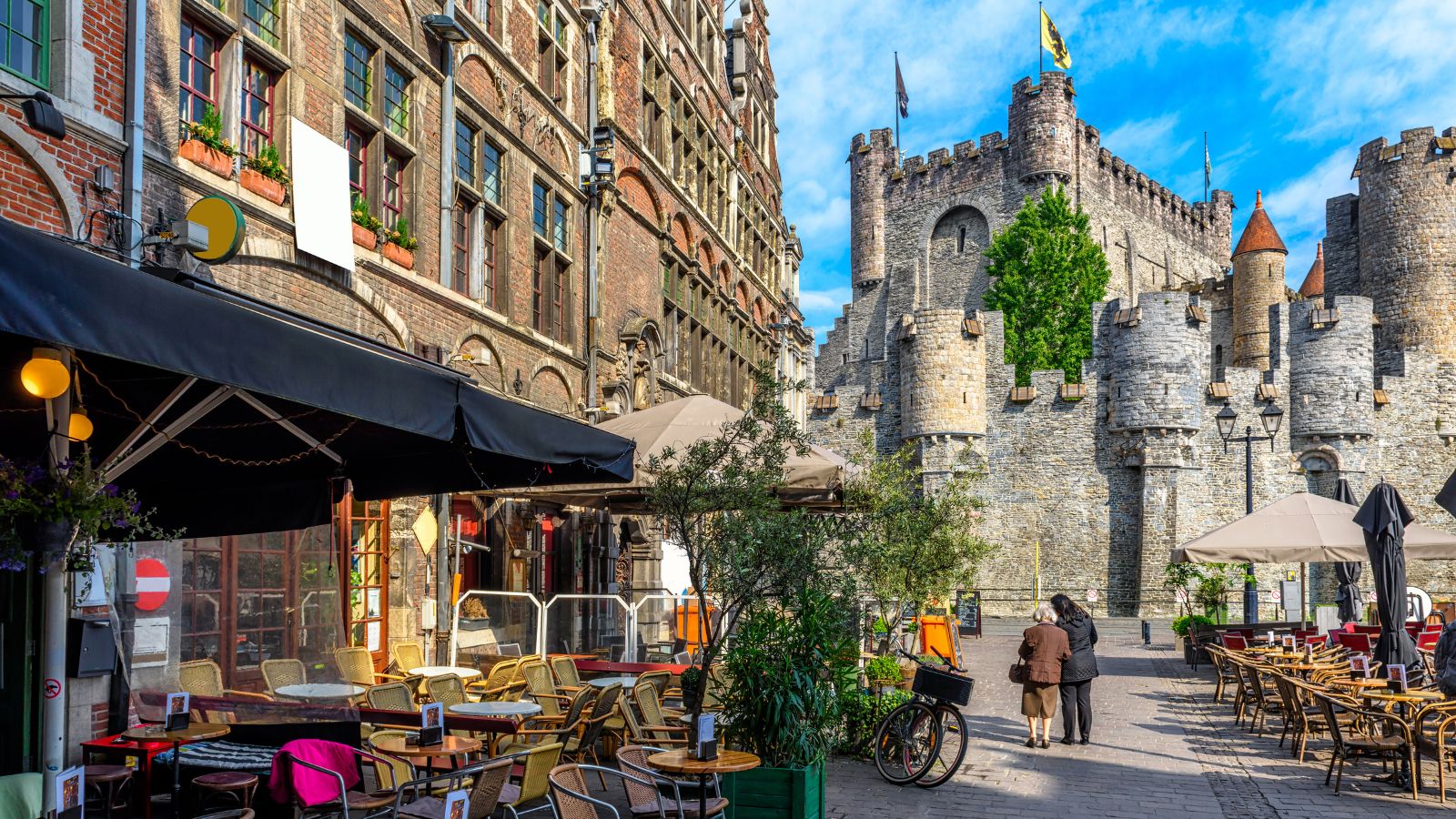
Belgium is recruiting skilled workers from South Africa. The country is offering salaries of up to R90,000 per month and 42 days of leave per year. The offer is part of a wider effort by Belgium to attract workers from abroad.
Belgium is known for its good work-life balance. Work-life balance means having a healthy split between time spent working and time spent on personal life, such as family, rest and hobbies. Belgium ranks third in Remote's Global Life-Work Balance Index, which compares countries around the world on this measure. This ranking places Belgium among the world's leading countries for this quality.
For South African professionals, the offer may be an option to consider. Workers who are interested in moving abroad should research the requirements, visa rules and living costs in Belgium before making a decision. Information about the specific jobs and eligibility criteria was not included in the original report, so readers should check official sources for full details.
The recruitment drive shows how some countries are competing for skilled workers in a global job market. Whether South African workers will accept these offers remains to be seen, but the high salary and generous leave entitlements have drawn attention to Belgium as a possible destination for work.
Sources: BusinessTech
More South Africa news
- PointFive Expands into Africa Through Partnership with Blue Turtle Technologies
- South African Billionaire Co-Founds Tech Company Created in 24 Hours
- Amazon Hopes to Help South African Small Businesses Sell More Online
- South African Startup Wills & Trust Raises Angel Funding for AI-Powered Will Drafting
- ANC and DA Could Together Govern Most of South Africa's Municipalities
- ANC Support Falls in Local Elections as Debate Grows Over South Africa's Political Direction
- Helen Zille Refuses to Withdraw From Johannesburg Mayoral Race as Coalition Talks Begin
- Could Random Selection Replace Elections? A New Debate on Democracy