Cape Town Nurse Uses TikTok to Teach People About HIV
Published
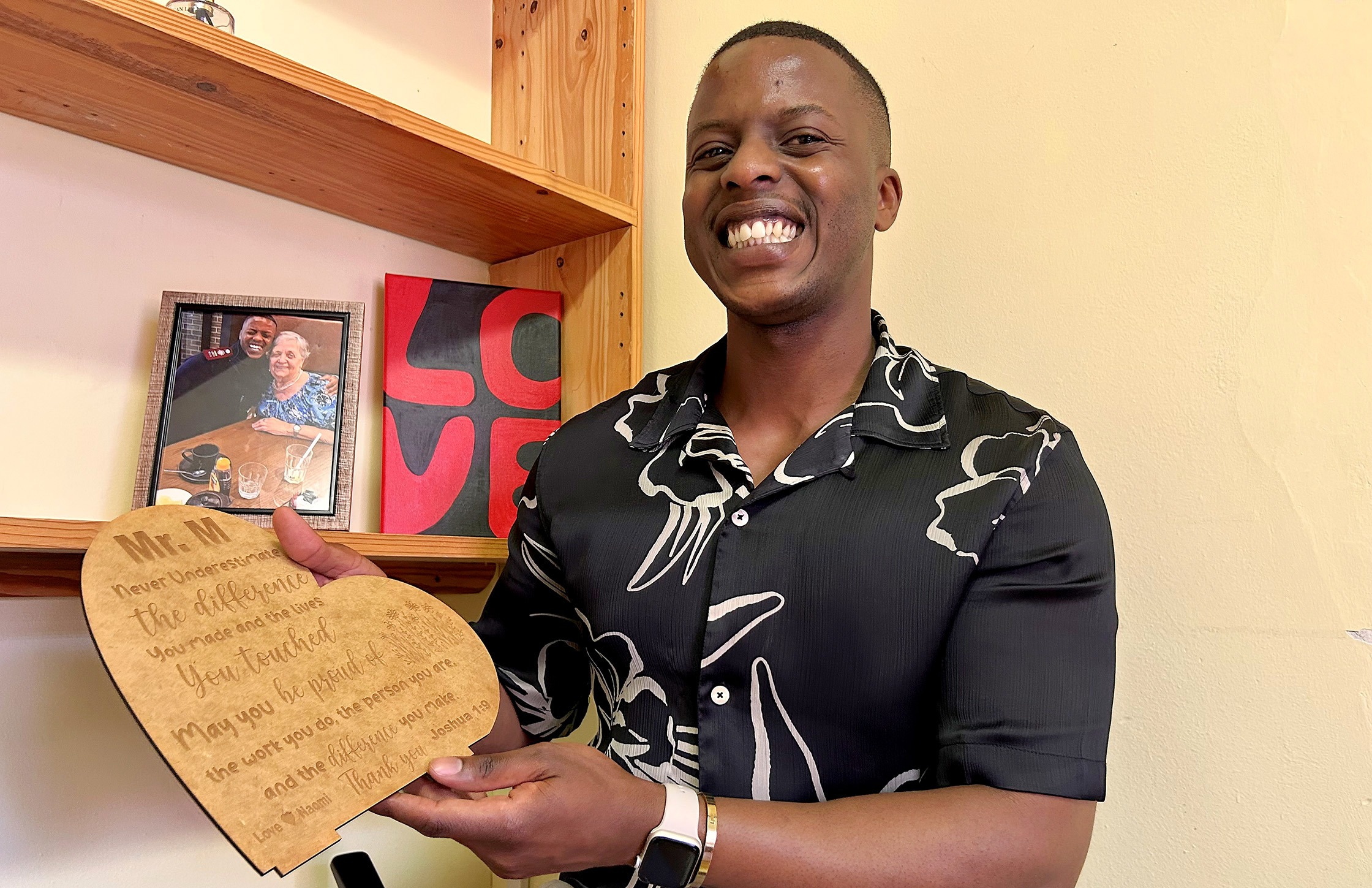
A nurse from Cape Town is using social media to share information about HIV with young people. Parfait Munyemana, who is often called Cape Town's 'TikTok nurse', is taking health education out of clinics and onto the digital frontline.
Munyemana grew up in Cape Town, where he learned to be independent at an early age. He ironed his own school shirts and did many things for himself. Even as a child, he dreamed of a career in which he could care for people who needed help. That goal led him into nursing, a profession that has a major role in HIV prevention and treatment in South Africa.
His work shows how health workers are adapting to new ways of communicating. Many people, especially young people, spend a lot of time on platforms like TikTok, so information shared there can reach them more easily than a poster in a waiting room. By posting short videos, Munyemana aims to explain HIV in simple, clear language and to answer common questions that people may be afraid to ask in person.
South Africa has one of the largest HIV epidemics in the world, so public education remains an important part of the national health effort. Projects like Munyemana's show that health information can reach people in new and different ways. His story is a reminder that reliable information, shared in a familiar place, can help people make informed decisions about their health.
Sources: Daily Maverick
More South Africa news
- US Companies Target Africa's Critical Minerals in Growing Race with Rivals
- New Prostate Cancer Study Finds Similar Early Side Effects for Two Radiotherapy Methods
- Cheaper HIV Prevention Drug Arrives in Zambia
- South African Vaccine Maker Biovac Plans Major Production Boost with EU Loan
- New Lancet HIV Series Looks at Weight Gain and HIV Medicines
- From Chris Barnard to Machines: How the Heart Transplant Changed Medicine
- South African Startup Develops AI Glasses to Help Blind People Navigate in Local Languages
- Sock Puppet Gluu Uses Humour to Fight Type 1 Diabetes Stigma