Ebola Response in Remote DR Congo Faces Local Customs and Traditions
Published
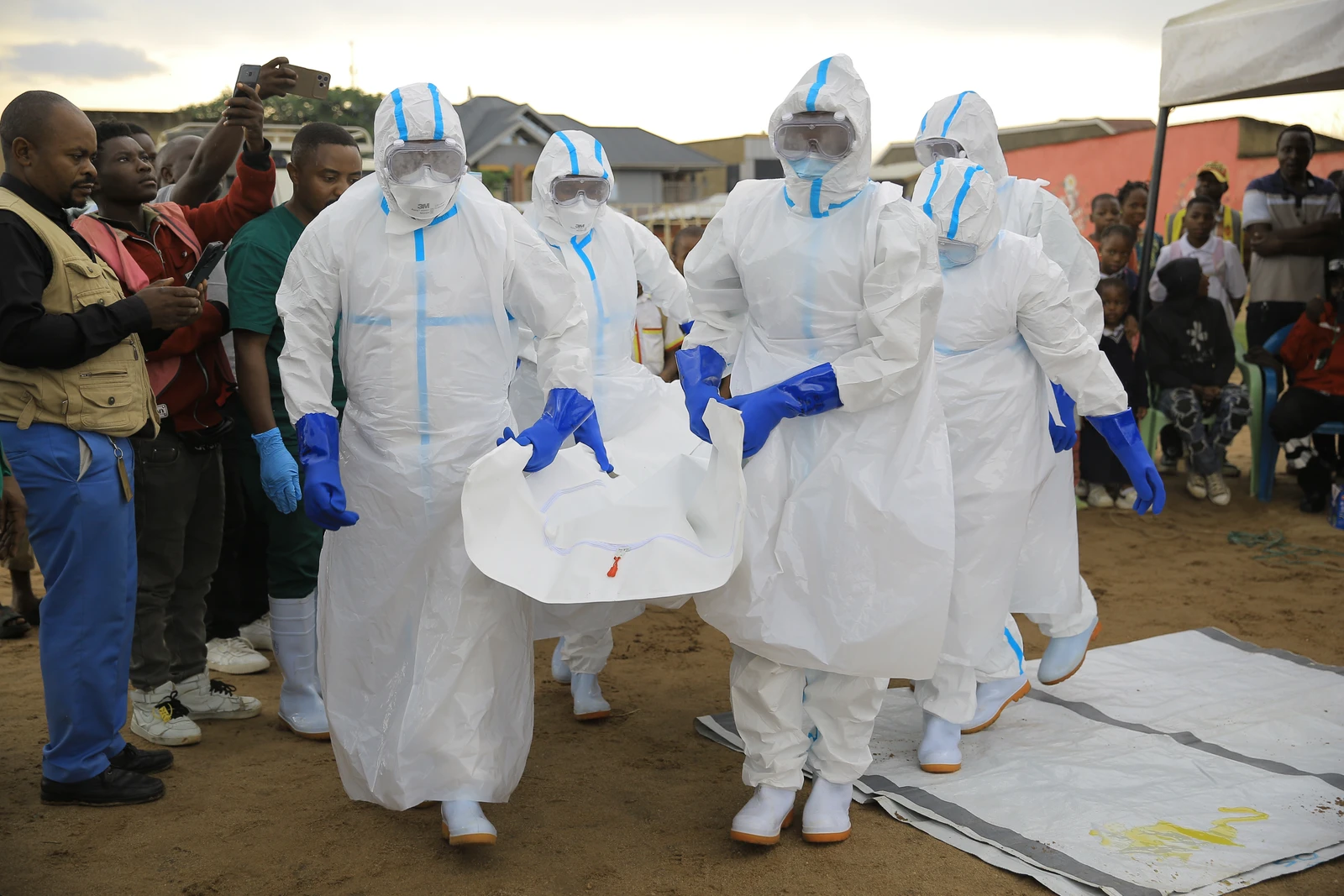
Efforts to control an Ebola outbreak in the Democratic Republic of Congo are facing difficulties in remote communities, where local customs and traditional rites are making the work harder. Reports from the area describe how these challenges affect the response to the disease.
In the village of Bulambo-Isale, residents gathered to stop an ambulance that was carrying a person suspected of having Ebola. The situation shows how fear, distrust, and cultural beliefs can make it difficult for health workers to move patients to treatment centres and to carry out safety measures.
Ebola is a serious viral illness that spreads through contact with the blood and body fluids of infected people. Health experts have long said that some traditional practices, especially those involving the care and burial of the dead, can increase the risk of infection. For this reason, health teams often need to work closely with community leaders to explain safe methods while still respecting local traditions.
The outbreak highlights the broader challenge of responding to infectious diseases in remote areas, where roads are poor and access to health services is limited. Public health workers continue to work with local communities, and the success of the response will depend on building trust and clear communication between health teams and the people they serve.
Sources: Arab News
More South Africa news
- US Companies Target Africa's Critical Minerals in Growing Race with Rivals
- New Prostate Cancer Study Finds Similar Early Side Effects for Two Radiotherapy Methods
- Cheaper HIV Prevention Drug Arrives in Zambia
- South African Vaccine Maker Biovac Plans Major Production Boost with EU Loan
- New Lancet HIV Series Looks at Weight Gain and HIV Medicines
- From Chris Barnard to Machines: How the Heart Transplant Changed Medicine
- South African Startup Develops AI Glasses to Help Blind People Navigate in Local Languages
- Sock Puppet Gluu Uses Humour to Fight Type 1 Diabetes Stigma