Adapting to a Changing South Africa: Preparing for Future Challenges
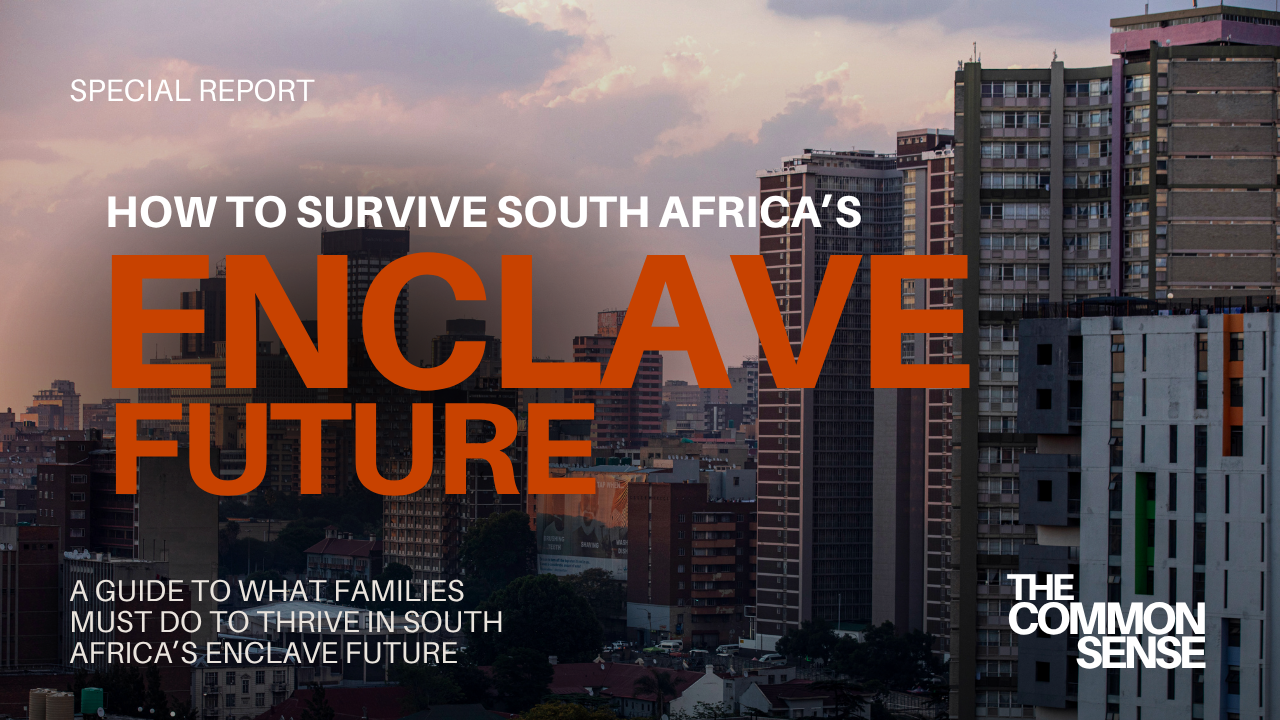
As South Africa navigates a period of significant social and economic transition, many families are looking for practical ways to ensure stability and security for the future. Experts suggest that the country is moving toward a model where communities are becoming more self-reliant, often referred to as an 'enclave' future. This shift means that households are increasingly taking responsibility for essential services that were previously managed by the state.
One of the primary areas of focus for families is energy independence. With ongoing challenges regarding the national power grid, many households are investing in alternative energy solutions. Installing solar panels, battery storage systems, and energy-efficient appliances has become a common strategy to maintain a consistent power supply and reduce long-term costs.
Water security is another critical concern for South African residents. In many regions, families are installing rainwater harvesting systems and borehole pumps to ensure they have a reliable water supply during periods of drought or municipal infrastructure failure. These investments help households remain functional even when public services are interrupted.
Beyond physical infrastructure, community cooperation is becoming more important. Neighborhood watch groups and local community forums are playing a larger role in maintaining safety and managing shared resources. By working together, residents are finding ways to improve the quality of life in their immediate surroundings despite broader national difficulties.
Ultimately, the future of South Africa will likely be defined by how well citizens can adapt to these changing circumstances. While the shift toward self-reliance requires significant planning and financial investment, many families believe these steps are necessary to build a stable environment for the next generation.