New Apple iPhone Duo Arrives in South Africa with Premium Price Tag
Published
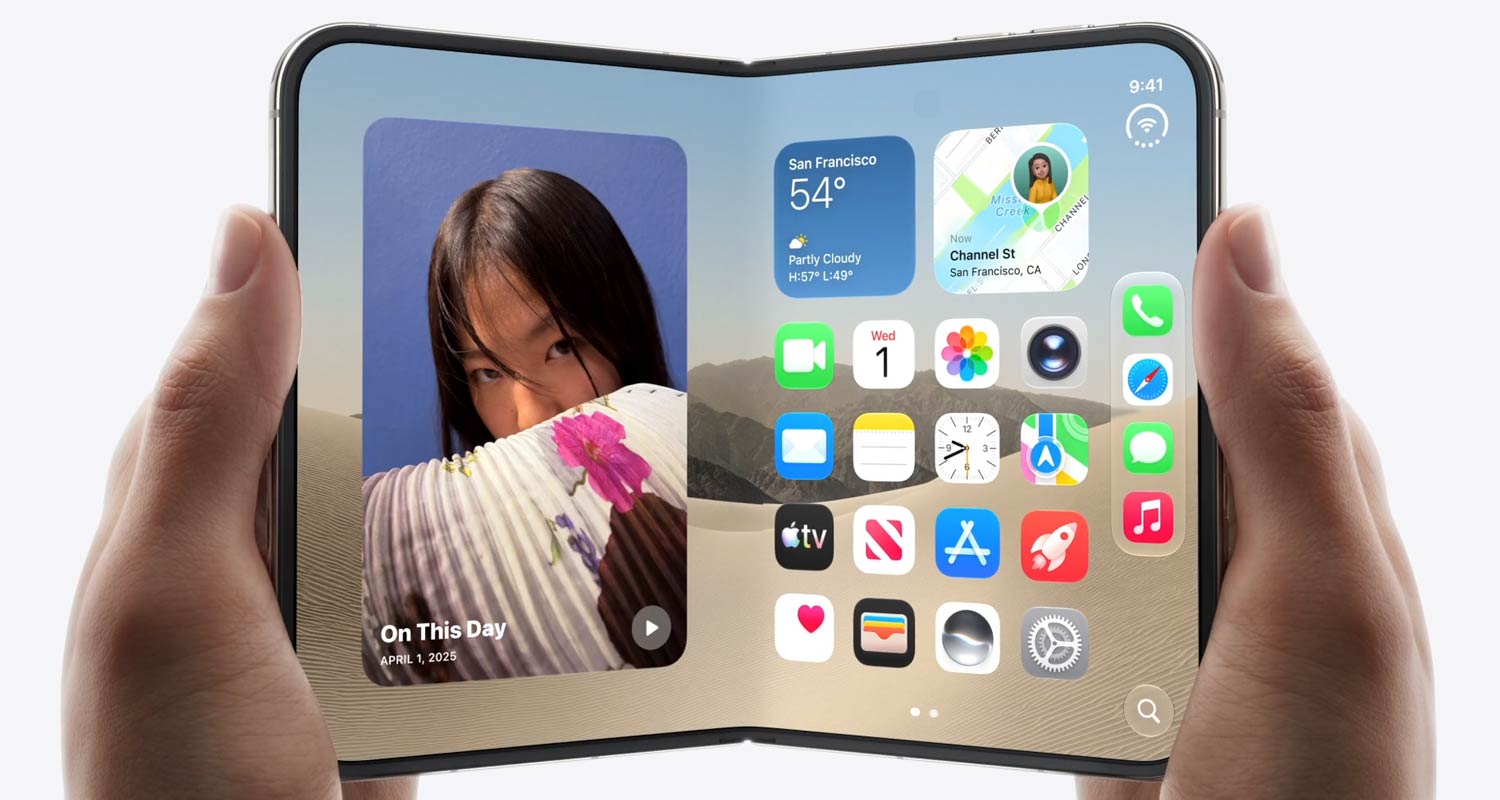
Apple has officially launched its latest smartphone, the iPhone Duo, in the South African market. The new device is now available for local consumers, though it comes with a high price tag that has caught the attention of many tech enthusiasts.
Depending on the specific model and storage capacity, the iPhone Duo is priced between R47 999 and R76 999. This pricing structure represents a 27% increase compared to the recommended retail prices in the United States, reflecting the additional costs associated with importing and distributing the technology locally.
In addition to the new smartphone, Apple has introduced other hardware to the South African market. Both the HomeView device and the Apple TV 4K are now available for purchase, with each unit retailing for R6 299.
These new products are part of Apple's latest global release cycle. While the high cost may be a barrier for many, these devices represent the latest advancements in the company's ecosystem, offering new features for users who are already integrated into the Apple brand.
South African consumers interested in the new range can find these products through authorized local retailers and Apple’s official distribution channels. As with previous launches, the demand for these premium devices remains a point of interest for the local technology sector.
Sources: TechCentral
More South Africa news
- PointFive Expands into Africa Through Partnership with Blue Turtle Technologies
- South African Billionaire Co-Founds Tech Company Created in 24 Hours
- Amazon Hopes to Help South African Small Businesses Sell More Online
- South African Startup Wills & Trust Raises Angel Funding for AI-Powered Will Drafting
- ANC and DA Could Together Govern Most of South Africa's Municipalities
- ANC Support Falls in Local Elections as Debate Grows Over South Africa's Political Direction
- Helen Zille Refuses to Withdraw From Johannesburg Mayoral Race as Coalition Talks Begin
- Could Random Selection Replace Elections? A New Debate on Democracy