Reflecting on South Africa’s Political Landscape After June 2026
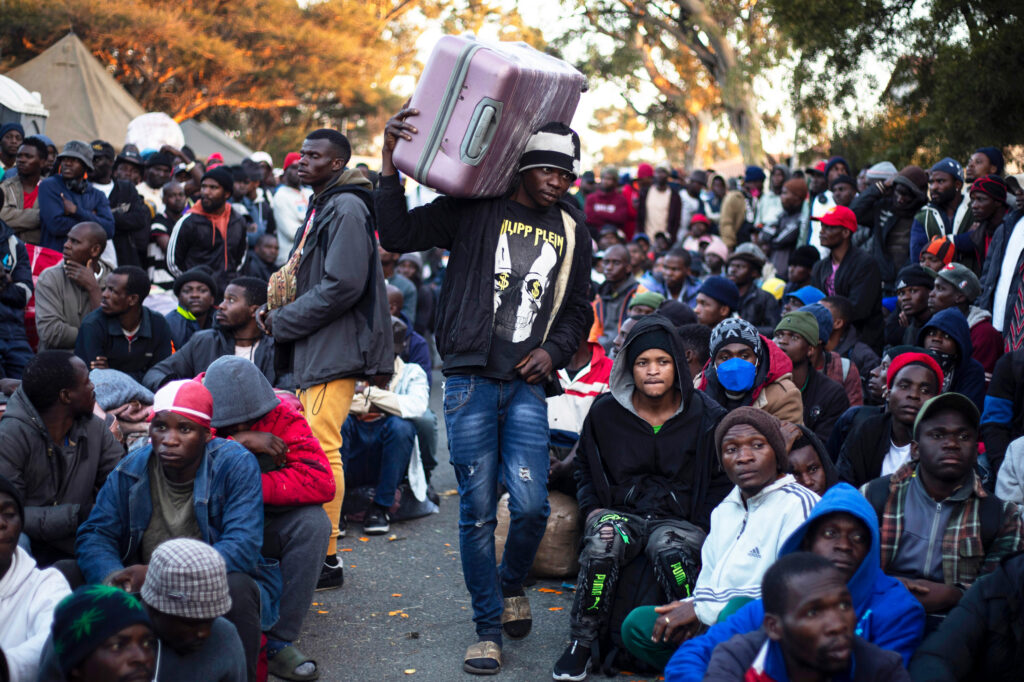
On June 30, 2026, a significant date passed in South Africa that has sparked conversation among political analysts and citizens alike. While this date was not tied to any specific law, court order, or official government mandate, it has been widely discussed as an unofficial deadline marking a new chapter in the nation's history.
Many observers view this moment as a symbolic transition away from the 'post-apartheid' era that has defined the country's political discourse for over three decades. As the nation moves further away from the events of 1994, the expiration of this arbitrary timeline suggests that South Africa is entering a new phase of social and political development.
For many South Africans, this period represents a shift in how the country addresses its future. The focus is moving from historical reconciliation toward contemporary challenges, such as economic growth, infrastructure development, and the evolving role of the Government of National Unity.
As the country navigates these changes, the lack of a formal legal deadline highlights how public perception often shapes national identity more than legislation. The coming months will likely reveal how these shifting perspectives influence policy and daily life across the country.
Ultimately, this moment serves as a reminder that South Africa is constantly redefining itself. By moving past established labels, the nation continues to seek its own path forward in a modern, globalized world.