New Research Opportunities Open for South African Scientists
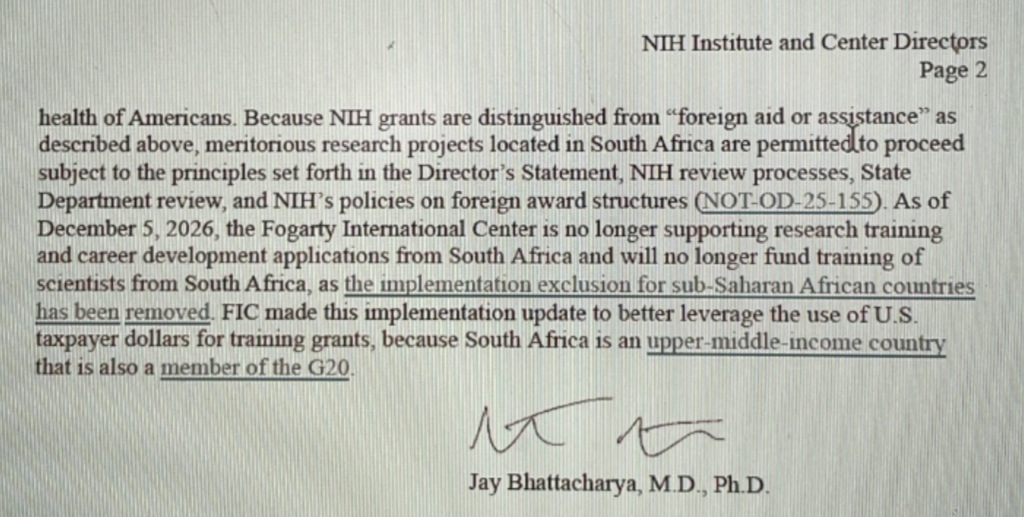
The United States National Institutes of Health (NIH) has officially lifted a long-standing ban on funding certain types of research in South Africa. This decision marks a significant change in international scientific cooperation, allowing South African institutions to apply for new grants and collaborate more closely with American researchers on complex health projects.
For many years, restrictions on funding limited the ability of local scientists to participate in specific global studies. By removing these barriers, the NIH aims to support South Africa’s growing reputation as a leader in medical innovation and clinical research on the African continent.
Experts believe this development will lead to major advancements in the fight against infectious diseases. South African researchers are now better positioned to lead large-scale studies, which could result in better medical treatments and improved healthcare policies for the country.
Local universities and research centers have welcomed the news, noting that it will provide essential resources for young scientists. The increased funding is expected to help create new jobs in the biotechnology sector and encourage more students to pursue careers in science and medicine.
This shift in policy is a positive step for the global scientific community. As South African experts begin these new projects, the country is likely to play an even more important role in solving some of the world's most difficult health challenges.