South African Households Struggle to Afford Domestic Workers as Living Costs Rise
Published
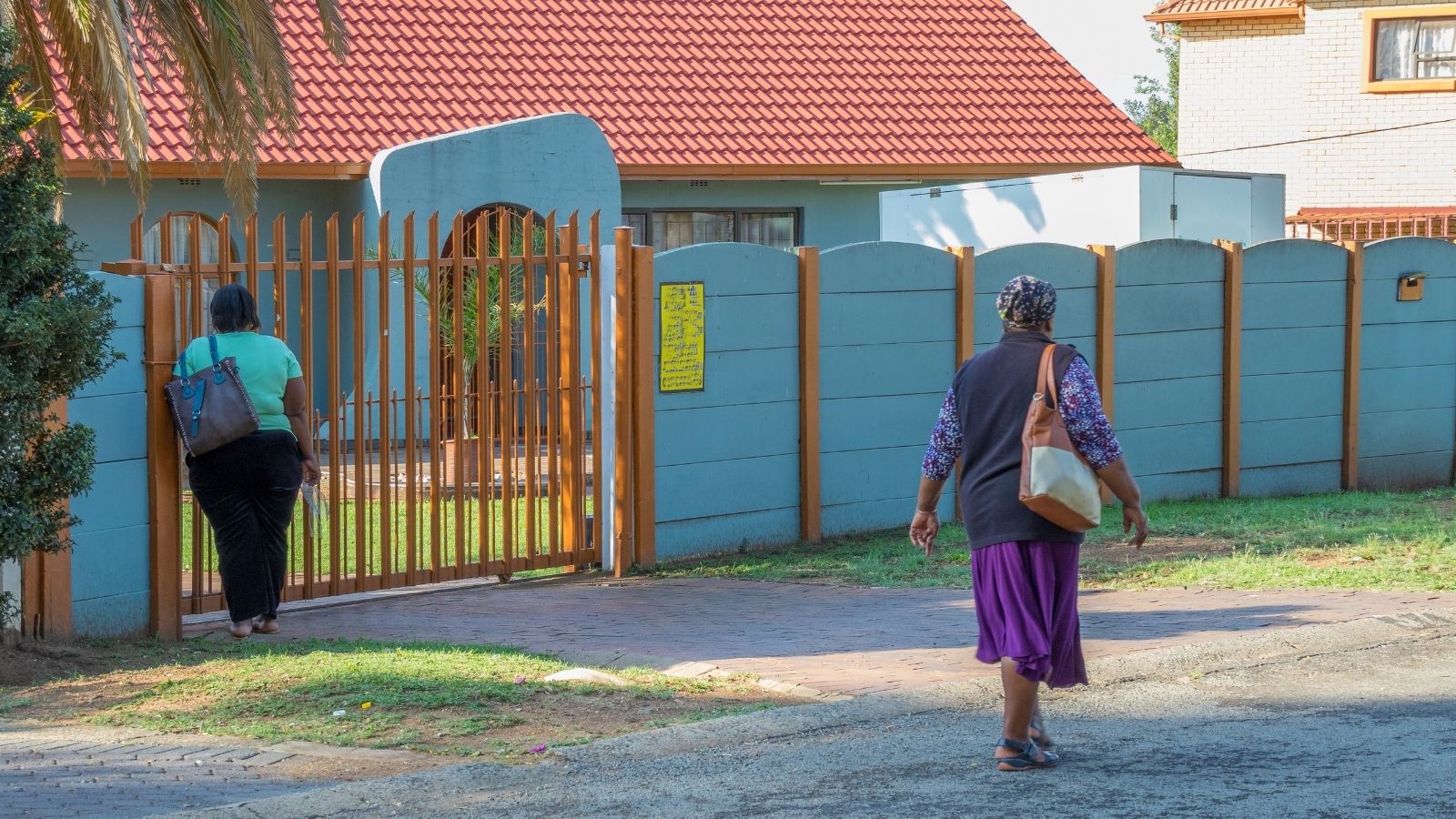
Many households in South Africa are finding it harder to pay for domestic help. Rising living costs, stagnant salaries, and pressure on disposable income are making it difficult for families to keep household workers such as cleaners, gardeners, and nannies. The problem affects both employers and the workers themselves.
According to a report from BusinessTech, families across the country are reviewing their monthly spending. Many are cutting back on services that were once considered normal, and some are reducing the number of hours they pay domestic workers. For employers, the higher cost of food, transport, electricity, and housing leaves less money for extra expenses. Salaries have not grown at the same pace as prices, so many households have less money to spend than before.
For domestic workers, this situation can mean fewer working hours or a loss of income. Many domestic workers already earn low wages, and reduced hours can make it harder for them to support their own families. Experts say that the pressure on both sides shows how economic challenges are affecting daily life in South African homes. The full impact of these changes is still developing, and it remains to be seen how households and workers will adjust in the coming months.
Sources: BusinessTech
More South Africa news
- Ramaphosa Calls on South Africa to Build Its Own Technology
- HONOR South Africa and Afest 2026 Join Forces for Africa Tech Fest
- South African Delegation Meets Citizens Working in Silicon Valley
- Global Tech Leaders Gather in Cape Town for Africa Tech Festival 2026
- What Happens When No Party Wins? A Guide to Coalitions Ahead of South Africa's Local Elections
- ACCORD Joins Debate on South Africa's Local Government Elections
- South Africa's Local Elections: Voters Show Maturity, But Questions Remain for Politicians
- ANC Struggles to Form Coalitions in South African Cities After Poor Election Result