HIV Funding Cuts Threaten Decades of Progress Against AIDS
Published
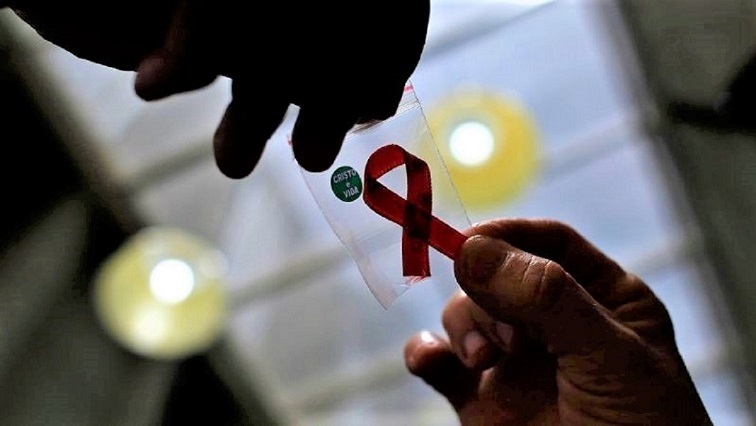
International funding cuts are now disrupting HIV prevention, testing and community services around the world. Health experts warn that these changes could reverse decades of progress towards ending AIDS. For South Africa, which has one of the largest HIV epidemics in the world, this is a serious concern.
HIV programmes depend heavily on money from international donors. When this money is reduced, clinics and community groups may have fewer resources to carry out their work. Some prevention activities, such as education campaigns and condom distribution, may be delayed or scaled back. Testing services, which help people learn their HIV status early, may also become harder to access in some areas.
Community services are also affected. Support groups, home-based care and outreach workers play an important role in helping people stay on their treatment. If these services are weakened, patients may find it more difficult to take their medicine regularly. Experts say that missed treatment can increase the risk of infection and make the virus harder to control.
The situation remains uncertain. Health organisations are calling on governments and donors to protect HIV programmes so that the progress of recent years is not lost. For many South Africans living with HIV, the coming months will show how these funding changes affect their access to care.
Sources: Channel Africa
More South Africa news
- US Companies Target Africa's Critical Minerals in Growing Race with Rivals
- New Prostate Cancer Study Finds Similar Early Side Effects for Two Radiotherapy Methods
- Cheaper HIV Prevention Drug Arrives in Zambia
- South African Vaccine Maker Biovac Plans Major Production Boost with EU Loan
- New Lancet HIV Series Looks at Weight Gain and HIV Medicines
- From Chris Barnard to Machines: How the Heart Transplant Changed Medicine
- South African Startup Develops AI Glasses to Help Blind People Navigate in Local Languages
- Sock Puppet Gluu Uses Humour to Fight Type 1 Diabetes Stigma