What You Need to Know About Bundibugyo Virus Disease
Published
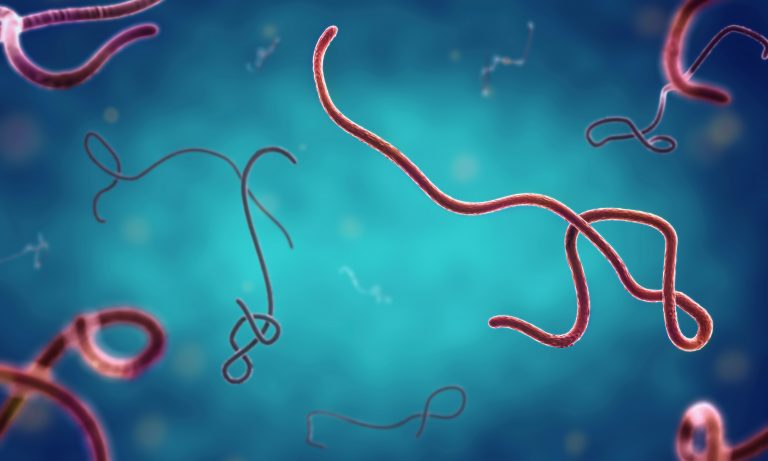
The National Institute for Communicable Diseases (NICD) has published updates on Bundibugyo virus disease (BVD), a rare and serious illness that can be fatal. The disease is caused by Bundibugyo ebolavirus, which belongs to the same group of viruses as Ebola. Health authorities monitor these viruses closely because they can cause severe illness and are difficult to treat.
Bundibugyo ebolavirus is one of several species within the Ebola virus family. It was first identified in 2007 in Bundibugyo, a district in western Uganda, after an outbreak of severe illness there. Since then, the virus has caused a small number of outbreaks in Central and East Africa. Like other Ebola-related viruses, it can spread between people through direct contact with the blood or body fluids of an infected person, and through contact with objects contaminated by those fluids.
The symptoms of BVD often begin suddenly. Patients may have a high fever, severe headache, muscle pain, weakness and tiredness. As the illness gets worse, it can cause vomiting, diarrhoea and bleeding. Because these early symptoms are similar to those of many other diseases, doctors usually confirm the diagnosis with laboratory tests. There is currently no specific licensed vaccine or treatment for Bundibugyo ebolavirus, so care focuses on supporting the patient's body, such as keeping fluids and blood pressure balanced.
For readers in South Africa, the NICD's role is to track cases, advise health workers and give the public accurate information. Travellers returning from affected regions are generally advised to speak to a doctor if they develop fever or other symptoms within a few weeks of their return. Health officials also encourage people to follow basic hygiene steps, such as washing their hands regularly and avoiding contact with sick people's bodily fluids.
The NICD will continue to share updates as new information becomes available. Members of the public who want the latest guidance are encouraged to check official NICD channels rather than rely on unverified reports on social media.
Sources: NICD
More South Africa news
- PointFive Expands into Africa Through Partnership with Blue Turtle Technologies
- South African Billionaire Co-Founds Tech Company Created in 24 Hours
- Amazon Hopes to Help South African Small Businesses Sell More Online
- South African Startup Wills & Trust Raises Angel Funding for AI-Powered Will Drafting
- ANC and DA Could Together Govern Most of South Africa's Municipalities
- ANC Support Falls in Local Elections as Debate Grows Over South Africa's Political Direction
- Helen Zille Refuses to Withdraw From Johannesburg Mayoral Race as Coalition Talks Begin
- Could Random Selection Replace Elections? A New Debate on Democracy