ANC Suffers Worst Election Results as Its Decline Continues in South Africa
Published
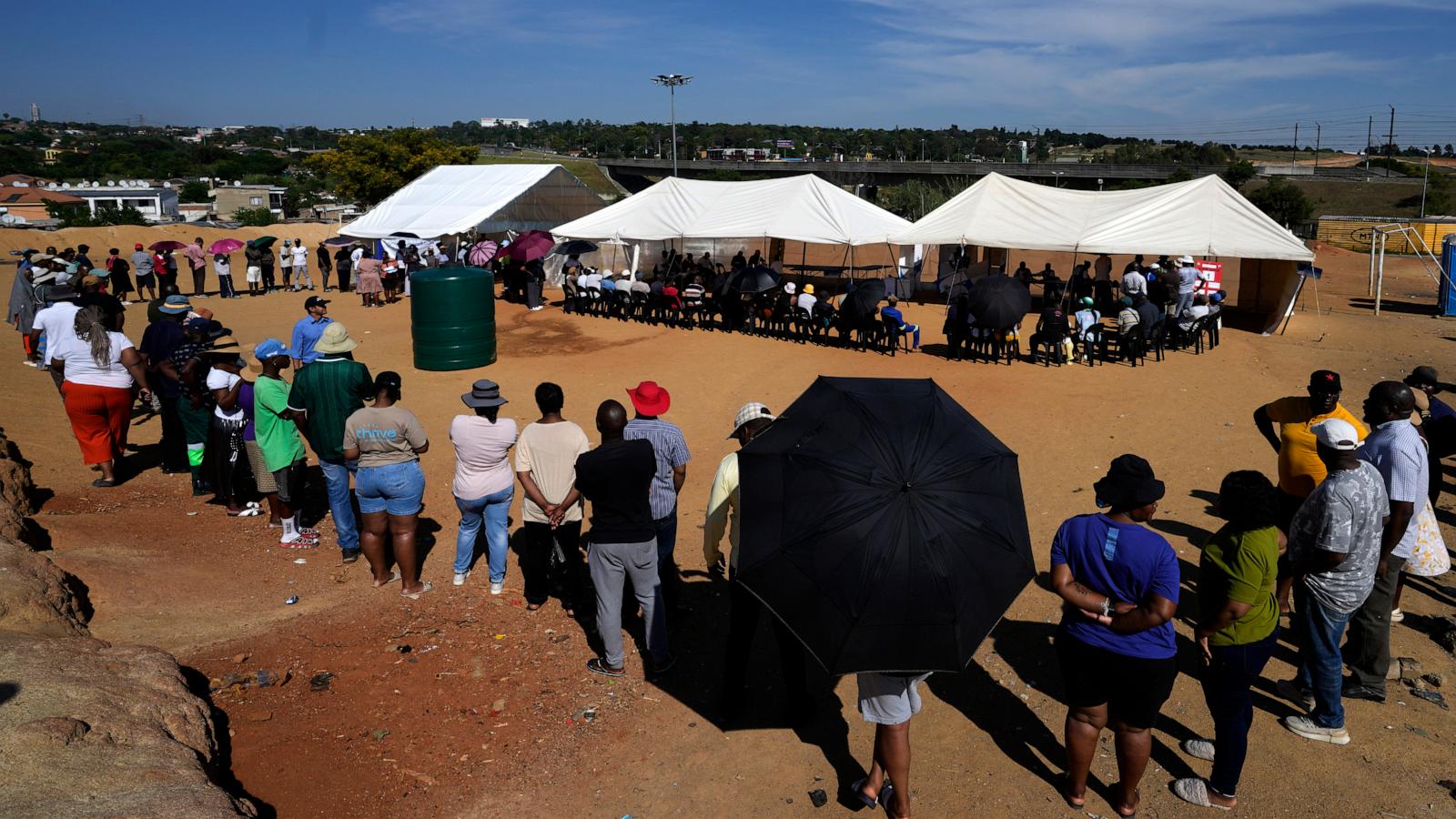
South Africa's governing African National Congress (ANC) has received its worst election results since the end of apartheid. The party, which has led the country since 1994, lost a significant number of votes, and its support continues to fall. Analysts say the result shows that many voters are looking for change.
The ANC first won power in South Africa's historic democratic election in 1994, when Nelson Mandela became president. For many years, the party won more than 60 percent of the vote in national elections. However, its support has been falling over the past two decades. Many voters have expressed anger about problems such as high unemployment, corruption, and poor public services, including electricity and water supply.
The weaker result means that the ANC may have to work with other parties to form a government. Political experts say this could change how the country is run in the coming years. Opposition parties have said they are ready to take part in talks about the future of the country.
For ordinary South Africans, the outcome may affect policies on jobs, housing, and the economy. The ANC has said it will listen to voters and work to improve the lives of citizens. The next few weeks will show how the party responds and what kind of government South Africa will have next.
Sources: ABC News - Breaking News, Latest News and Videos
More South Africa news
- PointFive Expands into Africa Through Partnership with Blue Turtle Technologies
- South African Billionaire Co-Founds Tech Company Created in 24 Hours
- Amazon Hopes to Help South African Small Businesses Sell More Online
- South African Startup Wills & Trust Raises Angel Funding for AI-Powered Will Drafting
- ANC and DA Could Together Govern Most of South Africa's Municipalities
- ANC Support Falls in Local Elections as Debate Grows Over South Africa's Political Direction
- Helen Zille Refuses to Withdraw From Johannesburg Mayoral Race as Coalition Talks Begin
- Could Random Selection Replace Elections? A New Debate on Democracy