Rand Falls Near One-Year Low as Reserve Bank Keeps Interest Rates Unchanged
Published
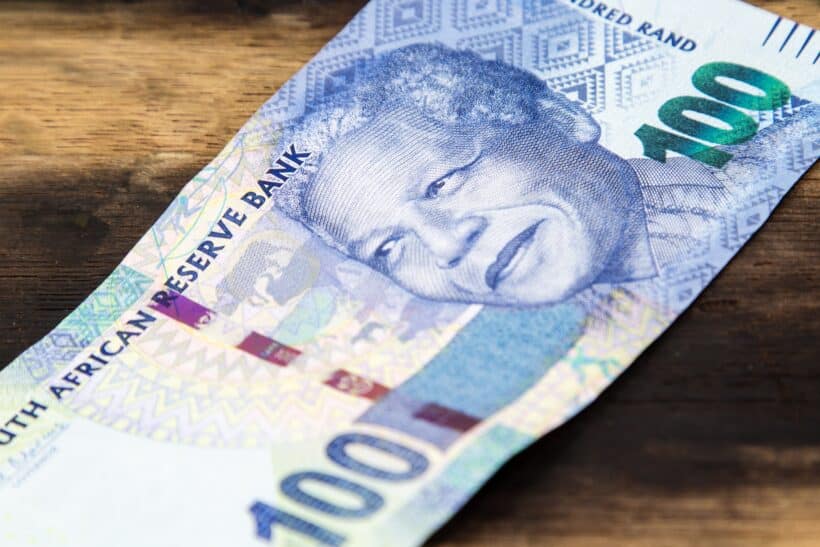
The South African rand has fallen close to its lowest level in one year after the South African Reserve Bank decided to keep its main interest rate unchanged. Currency traders reacted to the announcement by selling the rand, which weakened against the US dollar during the day.
The Reserve Bank's decision means that borrowing costs for banks, businesses and households will stay the same for now. The bank says it wants to keep inflation under control, which is its main goal. Inflation is the rate at which prices for goods and services rise over time. When inflation is high, people can buy less with the same amount of money.
Economists say the rand's weakness could make imported goods more expensive, including fuel, electronics and some food products. A weaker currency means that South Africans need more rand to buy the same amount of foreign products. However, a weaker rand can help exporters, because their goods become cheaper for buyers in other countries.
Analysts will now watch future economic data and global market conditions closely. They say the rand's direction will depend on inflation figures, global interest rates and the country's economic growth. For now, the Reserve Bank has chosen to wait and see how these factors develop.
Sources: CNBC Africa
More South Africa news
- Cassava Technologies and Mauritius Telecom Partner to Bring AI and Education Services to Africa
- Nokia Expands Pay-As-You-Go Fibre Solution Worldwide After South African Launch
- Naspers Shares Fall: R1,000 Invested Early 2026 Now Worth R661.56
- Africa Tech Festival Awards 2026 Highlight Innovation for the Continent's Digital Future
- Survey Shows Most South Africans Would Back a Leader of Any Race
- Coalition Politics in South Africa: Is Power Put Before the Country's Future?
- Helen Zille Ends Her Bid to Become Johannesburg Mayor
- ANC Offers Mayor Positions to Keep DA Out of Power in Local Councils