Reflecting on Nelson Mandela’s Vision for South Africa
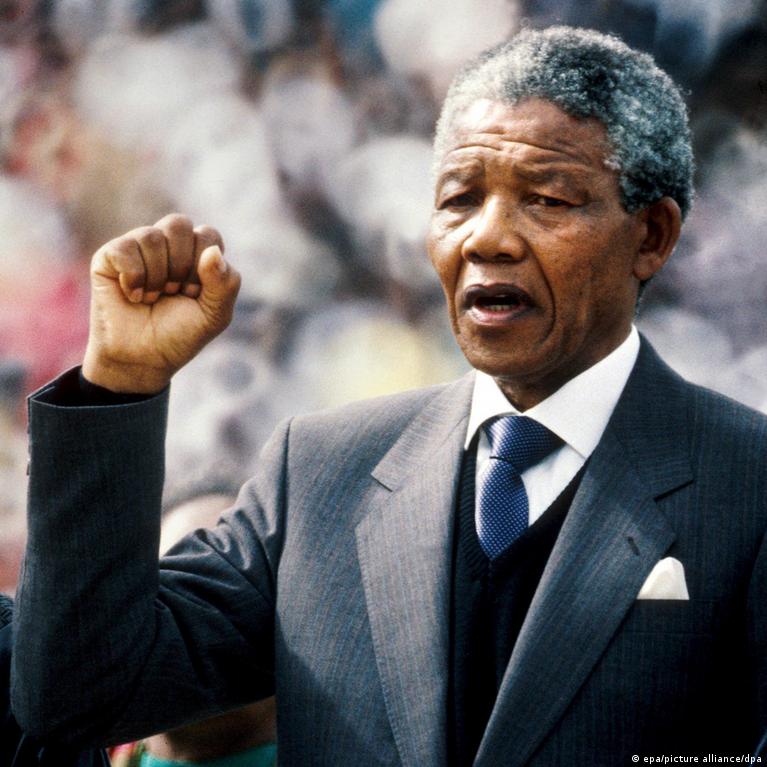
Every year on July 18, South Africans celebrate Mandela Day to honor the legacy of the country’s first democratically elected president. This day is meant to inspire people to take action and help change the world for the better, just as Nelson Mandela did throughout his life. It is a time for citizens to reflect on the progress the nation has made since the end of apartheid.
However, thirty years after the fall of apartheid, many South Africans are questioning whether the country has truly achieved the vision Mandela fought for. While the nation has made significant strides in building a democratic society, many citizens feel that the dream of a fair and equal country remains unfulfilled. Economic challenges continue to affect millions of people across the country.
One of the biggest concerns for many South Africans today is the high level of inequality. Despite the end of legal segregation, the gap between the rich and the poor remains very wide. Many people still struggle to access basic services, quality education, and stable employment, which makes it difficult for families to improve their living conditions.
In addition to economic struggles, the country is facing social challenges such as xenophobia and anti-migrant sentiment. These issues have created tension within communities and have sparked debates about national identity and unity. Many experts argue that these divisions go against the core values of peace and reconciliation that Mandela promoted during his time in office.
As South Africa moves forward, the conversation around Mandela Day has shifted from simple celebration to a deeper look at the country's future. While the challenges are significant, the day continues to serve as a reminder of the work that still needs to be done to create a more inclusive and prosperous nation for all its people.