Phumzile Mlambo-Ngcuka: From Aids Denial to Global Leadership for Women
Published
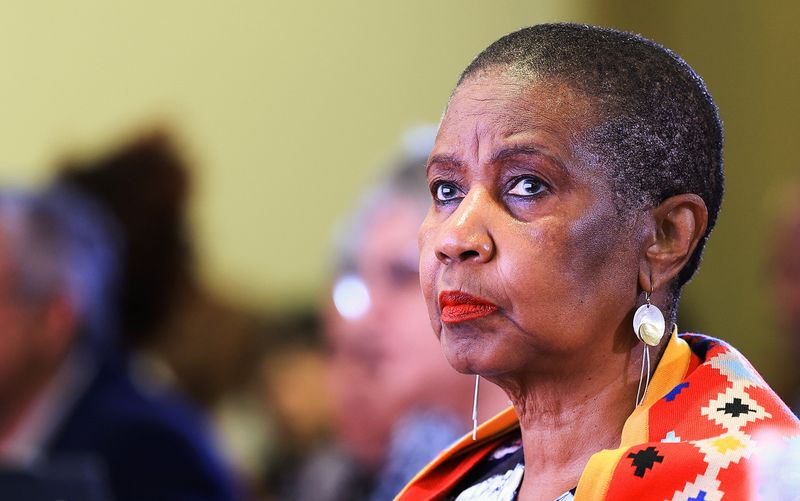
Phumzile Mlambo-Ngcuka is remembered in South Africa for her long public career and her role in one of the most difficult chapters of the country's history. She served as deputy president under Thabo Mbeki, at a time when the national government held views on HIV and Aids that many scientists and health workers strongly opposed.
During those years, Mlambo-Ngcuka was part of a government that was criticised for questioning the link between HIV and Aids. Many people believed this position slowed down the delivery of antiretroviral medicine to patients. Although she worked inside this government, she later helped to change its approach. Her efforts contributed to a shift towards accepting the scientific evidence and expanding treatment programmes across the country.
After leaving national politics, Mlambo-Ngcuka went on to lead UN Women, the United Nations agency that works for gender equality and the empowerment of women. In this role, she worked on issues such as violence against women and equal access to economic opportunities around the world. Her career shows how a leader can move from a difficult past to a role that focuses on public health and women's rights.
Sources: Daily Maverick
More South Africa news
- US Companies Target Africa's Critical Minerals in Growing Race with Rivals
- New Prostate Cancer Study Finds Similar Early Side Effects for Two Radiotherapy Methods
- Cheaper HIV Prevention Drug Arrives in Zambia
- South African Vaccine Maker Biovac Plans Major Production Boost with EU Loan
- New Lancet HIV Series Looks at Weight Gain and HIV Medicines
- From Chris Barnard to Machines: How the Heart Transplant Changed Medicine
- South African Startup Develops AI Glasses to Help Blind People Navigate in Local Languages
- Sock Puppet Gluu Uses Humour to Fight Type 1 Diabetes Stigma