Strengthening Africa’s Healthcare Systems: A Growing Priority
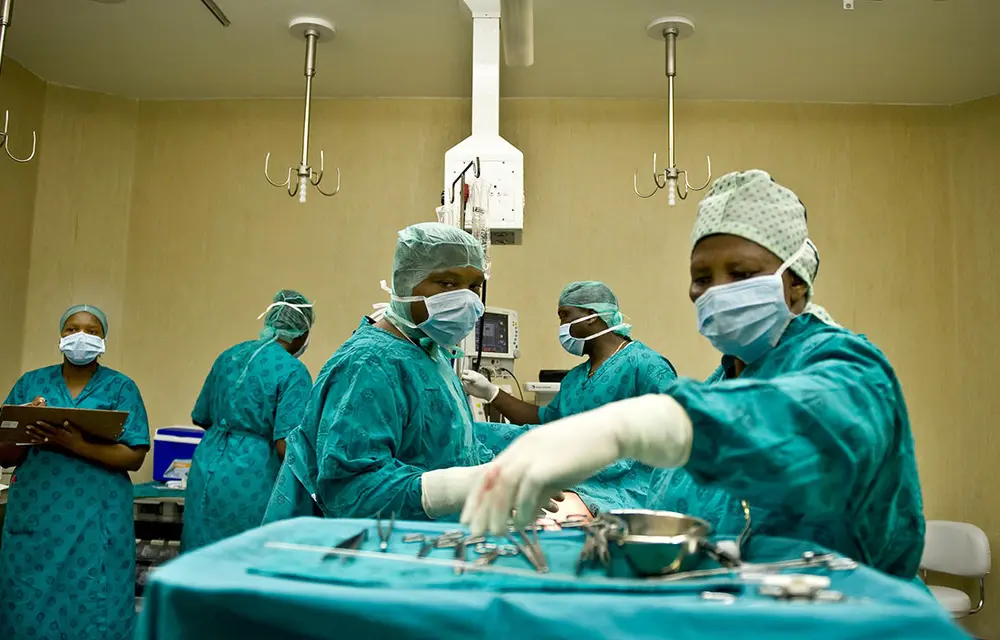
The African Union is facing increasing pressure to address the continent’s healthcare challenges. Recent reports highlight that Africa currently carries 25% of the global disease burden, despite having limited financial resources and systemic infrastructure to manage these health crises effectively.
For South Africa, these statistics are particularly significant. As a leading economy on the continent, South Africa plays a crucial role in regional health initiatives. Strengthening local and continental health systems is essential to ensure that citizens have access to quality care and that the country is prepared for future health emergencies.
Experts suggest that the current financial constraints make it difficult for many nations to invest in medical technology and training. Without a coordinated effort from the African Union and its member states, the gap between the demand for medical services and the available supply will continue to widen, affecting millions of people across the continent.
Improving healthcare is not only a matter of public safety but also a key factor in economic stability. When a population is healthy, the workforce is more productive, which helps to grow the economy. This is a vital goal for South Africa as it works to reduce unemployment and improve the quality of life for its residents.
In conclusion, the call for better healthcare systems across Africa is a reminder of the challenges ahead. By working together, African nations hope to build a more resilient future where health services are accessible, affordable, and effective for everyone.