Trump's Tariff Policy Likely to Continue Despite Shift in US Congress
Published
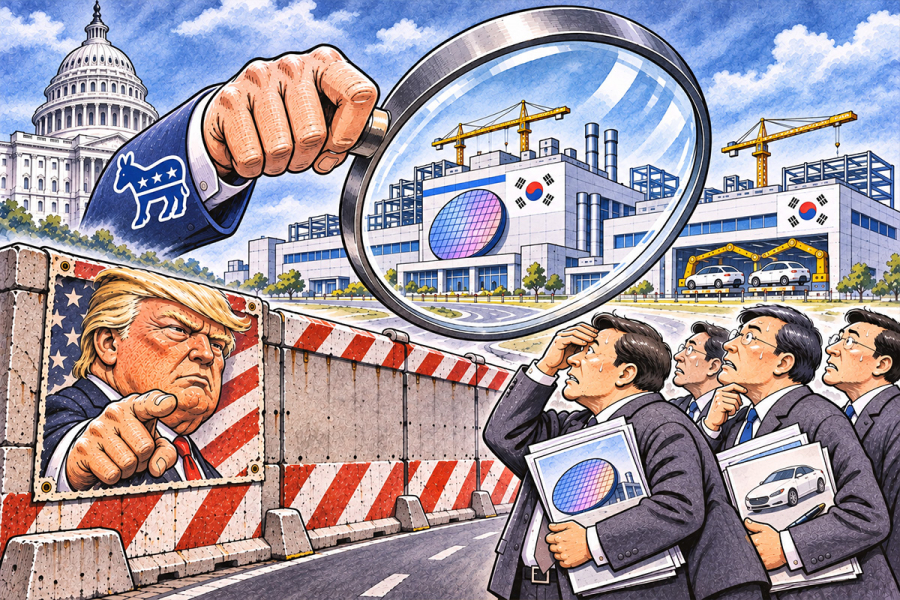
In the US midterm elections, the Democratic Party won majority control of both the Senate and the House of Representatives in Congress. However, experts believe there will be no major change in the direction of the Trump administration's tariff policy.
The shift in power in Congress has led to speculation that the policy-making process may also change. Congress makes laws and sets the budget, so if the majority party changes, there is a possibility that checks on administration policy will become stronger. However, many analysts say that tariff policy is mainly an area where the president and the administration have broad authority, so it will be difficult for policy to change quickly just because power in Congress has changed.
This situation is also relevant to South Korea. The United States is one of South Korea's major export markets, so US tariff policy can have a direct effect on South Korean companies' exports and production plans. For this reason, South Korean companies and the government are continuing to watch changes in US policy closely.
In the future, debate about tariff policy is expected to continue in US politics. How tariffs are actually applied and what effects they have will become clearer over time.
Sources: 산업일보
More South Korea news
- Arctic Route Outlook Unclear After US Midterms' 'Blue Tsunami'
- Even sour fruit can raise blood sugar: the glycaemic index that people with diabetes should know
- Han Dong-hoon Files Lawsuit and Injunction Over Discipline: "I Will Definitely Return to the People Power Party"
- Clues to the Evolution of Smallpox and Mpox Viruses Found in Human Intestines
- Donghae City in Gangwon Province Begins Construction of Asia's Largest AI Data Center
- The substance released during exercise: it reduces fat and builds muscle, and may also help treat diabetes
- Can a Father's Antidepressant Use Before Pregnancy Be Linked to His Child's Risk of High Blood Pressure?
- Depression that does not improve with antidepressants: could the cause be the 'body clock'?