South Korea's Drug Pricing System Criticized for Slow Pace of Reform
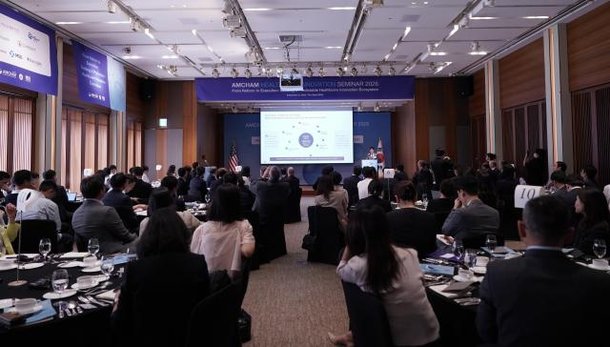
Criticism has recently emerged that the South Korean government's reform of its drug pricing system is too slow. This is a critical issue that significantly influences the investment decisions of global pharmaceutical companies and is being addressed as a major agenda item in the ongoing South Korea-U.S. trade negotiations.
When entering the Korean market, global pharmaceutical companies place great importance on drug approval procedures and health insurance coverage criteria. However, many point out that the current complex and slow pricing process in Korea acts as a barrier to foreign companies investing actively in the country.
Through trade negotiations, the U.S. side is demanding that the Korean government increase the transparency of the drug pricing process and expedite its procedures. Analysts suggest that if these changes are not implemented, global pharmaceutical companies are highly likely to focus their investments on other countries instead of South Korea.
The South Korean government is maintaining a cautious stance, as it must consider the financial burden on the national health insurance system. However, there is growing concern that if institutional improvements aligned with international standards are delayed, the introduction of innovative new drugs could be postponed, or the country may face difficulties in attracting foreign investment.
Attention is now focused on what solutions the South Korean government will find between the demands of global pharmaceutical companies and domestic health policies. The outcome of these South Korea-U.S. trade negotiations is expected to bring significant changes to the domestic pharmaceutical industry and the foreign investment environment.