South Korea's Diplomatic Strategy Amid U.S.-China Tensions: The Key is 'Middle Power Solidarity'
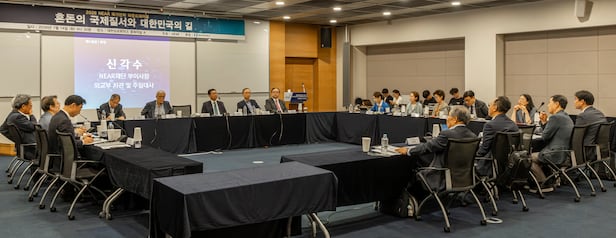
As tensions between the United States and China deepen, the importance of South Korea's diplomatic strategy is growing. On the 14th, the NEAR Foundation held a national strategy forum to discuss the direction South Korea should take amidst the rapidly changing international landscape.
Experts emphasized that South Korea must actively implement a 'hedging' strategy to manage risks between the U.S. and China. In particular, they pointed out that securing South Korea's strategic autonomy while maintaining its alliance with the U.S. is of utmost importance.
Furthermore, opinions were raised that in exchange for providing strategic flexibility to the U.S., South Korea needs to make diplomatic efforts to ensure it gains tangible benefits in return. To this end, suggestions were made that South Korea should lead solidarity with other middle powers, including Gulf nations such as the United Arab Emirates (UAE).
In conclusion, this forum suggested that South Korea must protect its national interests through 'diversified diplomacy,' cooperating with various countries rather than relying solely on a specific major power. Attention is now focused on what role South Korea will play as a mediator in the international community moving forward.