U.S. Government Imposes Export Controls on Cutting-Edge AI Models, Similar to 1990s Encryption Regulations
The U.S. government has decided to implement export control measures on cutting-edge artificial intelligence (AI) technology for national security reasons. This action stems from the assessment that AI technology could pose a threat to national safety. It is being evaluated as similar to the way the United States strictly managed encryption technology in the 1990s.
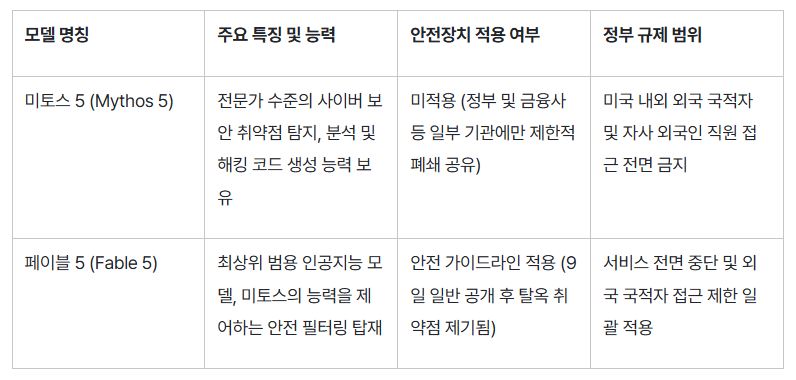
The primary targets of this regulation are the top-tier models from the prominent AI company Anthropic, namely "Fable 5" and "Mythos 5." The U.S. government believes that the powerful capabilities of these models could cause serious national security issues if leaked abroad. Consequently, strong measures have been established to restrict access to the technology in question.
Under these measures, foreign nationals around the world will face restrictions on using the highest-level U.S. AI models. The U.S. government is applying an unprecedented level of regulation to prevent technology leakage, which is interpreted as an intent to block the transfer of the technology itself beyond merely selling products.
Experts are comparing the current situation to the "Crypto Wars" era of the 1990s. At that time, the U.S. government treated strong encryption technology as military weaponry and strictly prohibited its export overseas. This AI control also clearly demonstrates that advanced technology is being viewed as a core national asset and a means of security.
These export control measures are expected to have a significant impact on the global AI industry and technological cooperation between nations in the future. As the U.S. government plans to further strengthen the management of advanced technologies for security purposes, the changes in the global technology market are drawing close attention.