Price Emergency Amid Early Heatwave... Concerns Grow Over 'Heatflation'
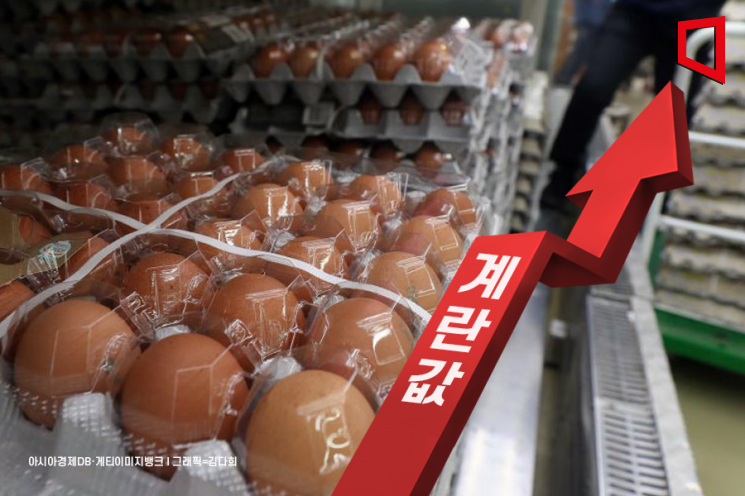
Concerns among ordinary citizens are growing as the prices of agricultural and livestock products rise in South Korea. In particular, analyses suggest that prices could rise further this year due to the sweltering heat that arrived earlier than usual. Experts are warning of a phenomenon where prices rise due to heatwaves, calling it "heatflation," a portmanteau of "heat" and "inflation."
In fact, the prices of major food ingredients have already risen significantly. According to statistics, compared to June of last year, egg prices have increased by about 39%, and chicken prices have risen by 19%. Since eggs and chicken are essential ingredients frequently found on Korean dinner tables, the economic burden felt by consumers is even greater.
The biggest reason for the rising prices is the weather. When temperatures rise sharply, livestock suffer from stress, leading to reduced production or an increased risk of death. Furthermore, droughts or sudden heavy rains that accompany early heatwaves hinder the growth of crops, causing supply shortages. When supply decreases, market prices naturally rise.
The government has taken emergency action to prevent such price hikes. It plans to mobilize all possible means to prevent supply disruptions caused by weather disasters. In particular, it is reviewing various measures for price stabilization, such as releasing agricultural stockpiles into the market and inspecting distribution processes.
However, concerns remain as the full-scale summer heat is still ahead. If abnormal high-temperature phenomena caused by climate change continue, it is expected that stabilizing food prices will not be easy. Experts advise that as the impact of climate change on the economy grows, it is necessary to prepare long-term measures.