President-elect Trump's Tariff Policy and the Future of Korea's Semiconductor Industry
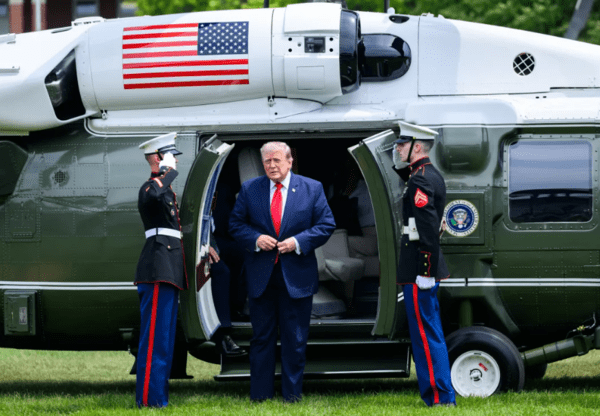
Tension is mounting in the Korean business community as President-elect Donald Trump, who recently won the U.S. presidential election, has signaled the implementation of aggressive tariff policies. Trump has made his stance clear: he intends to protect domestic industries by emphasizing U.S.-based production and imposing high tariffs on imports.
Such policy shifts are expected to have a significant impact on the semiconductor sector, a core industry for South Korea. In particular, there is an increased possibility that the U.S. will exert strong pressure to localize the production of key components, including semiconductors, to strengthen its defense supply chain.
Currently, SK Hynix is carrying out a large-scale investment of approximately 600 trillion won in the semiconductor cluster in Yongin, Gyeonggi-do. While this project is a vital endeavor that will shoulder the future of the Korean semiconductor industry, analysts suggest that strategic adjustments may be inevitable depending on changes in U.S. trade policy.
Experts advise that Korean companies need flexible strategies, such as diversifying supply chains and expanding local production facilities in the U.S., to respond to these tariff policies. The government and businesses plan to closely monitor the specific policy directions of the new U.S. administration and prepare countermeasures accordingly.