South Korea's Nobel Prize in Science: What is Lacking?
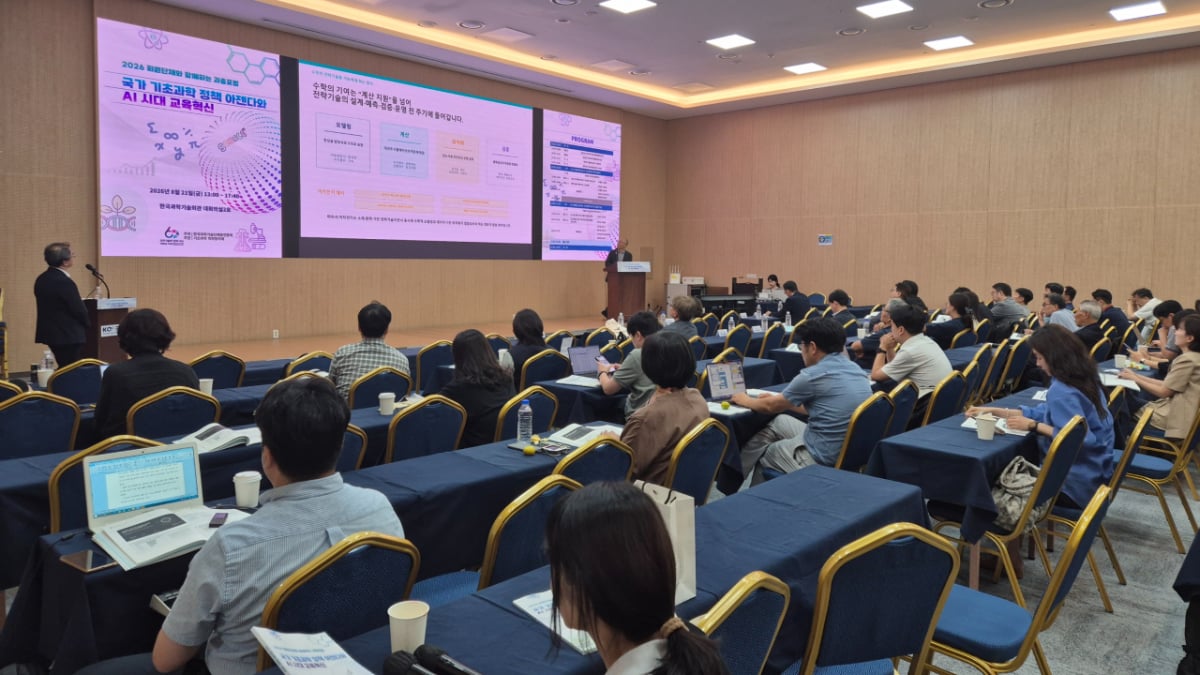
Recently, there has been a growing chorus in South Korean society comparing Japan's track record of Nobel Prize wins in science with the situation in Korea. This is because while Japan has received 27 Nobel Prizes in science to date, Korea has yet to produce a laureate in the scientific fields. Many experts are diagnosing the current state of South Korean science and technology in light of this disparity.
Experts point to a lack of long-term investment in basic science as the primary reason. Scientific research in Korea has been largely concentrated on applied technologies or industrial sectors that can produce results in the short term. In contrast, the basic scientific research that leads to Nobel Prizes requires decades of consistent support and patience.
Furthermore, many point out that changes to the research environment are necessary. A culture must be established where researchers can pursue challenging studies without fear of failure. There is a prevailing opinion that institutional support is crucial to ensure researchers can fully explore creative ideas within a stable environment.
Of course, it cannot be denied that the level of science and technology in Korea has advanced significantly compared to the past. Korea possesses world-class competitiveness in various industrial sectors, such as semiconductors and batteries. Now is the time to move beyond these industrial successes and achieve results in the field of basic science, which contributes to the advancement of human knowledge.
In conclusion, winning a Nobel Prize carries a meaning that goes beyond simply receiving an award. It is an indicator that demonstrates a nation's scientific capability and fundamental strength. For Korea to achieve greater growth in the field of basic science in the future, policies with a long-term perspective and a social atmosphere that respects researchers will be more important than anything else.