Rising Middle East Tensions, Increase in U.S. Inventories, and Controversy Over Exclusion from TV Debates in Domestic Politics
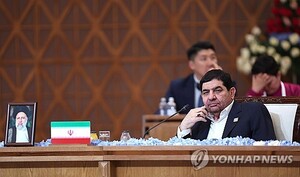
The biggest international news is the tension in the Middle East. On the 8th, Mohammad Mokhber, an adviser to Iran’s supreme leader, said that the United Arab Emirates (UAE) had already been punished and could face even greater punishment in the future. This remark shows that tensions between Iran and the UAE are continuing and is heightening concerns in the international community about the situation in the Middle East.
This statement carries the nature of a strong warning. According to the article, Mokhber delivered a message that publicly pressured the UAE. However, the article did not clearly specify what concrete measures might follow. Markets and diplomatic circles are watching closely how such remarks could affect regional security and the energy market.
In the U.S. economy, there was news that wholesale inventories increased. On the 8th, the U.S. Department of Commerce announced that wholesale inventories as of the end of March had risen 1.3% from the previous month. As a result, U.S. wholesale inventories continued their upward trend.
An increase in wholesale inventories means that the volume of goods held by companies has grown. This is an indicator used as a reference in assessing future demand and economic trends. If inventories continue to rise, it becomes necessary to look at both business activity and consumer conditions together, so financial markets are also paying close attention to the related figures.
In domestic politics, controversy continued over the issue of participation in TV debates. On the 9th, Lee Jun-seok, leader of the Reform Party, visited the hunger strike site of Jeong I-han, a preliminary candidate for Busan mayor. He argued that the decision to exclude the candidate from the TV debate should be withdrawn and criticized the related system.
Lee said that it is unfair not to give someone a chance to debate simply because their approval rating is low. He argued that this kind of approach blocks the entry of young people into politics. The article also used the expression that this is "like asking a newcomer for work experience."
Jeong I-han’s hunger strike was introduced as an action demanding the opportunity to participate in the TV debate. This controversy is once again highlighting the issue of how fairly candidates should be given debate opportunities during the election process, and how the participation of new and young politicians should be guaranteed.