Giant Dinosaur Tyrannosaurus: The Secret Behind Its Short Arms
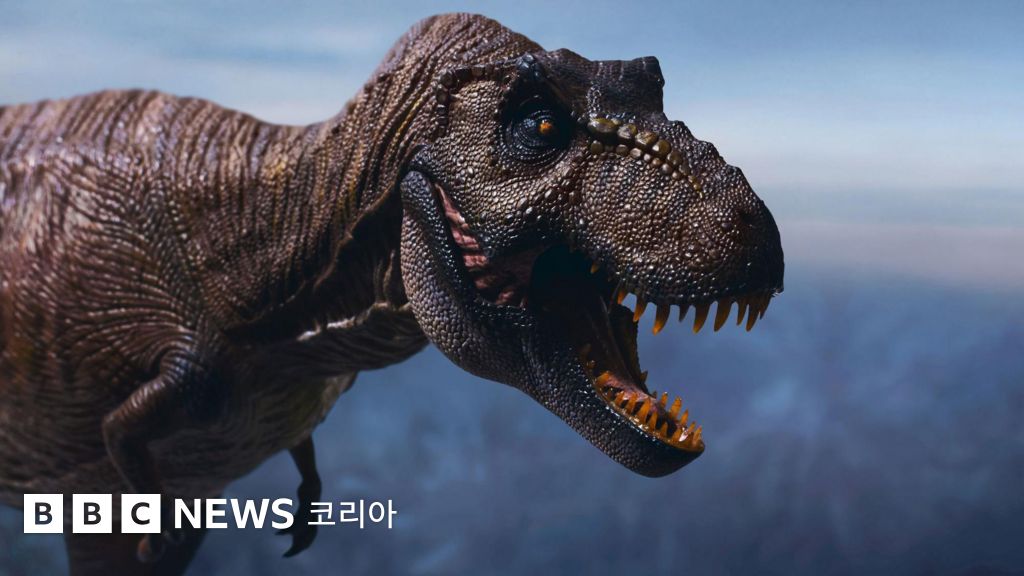
Tyrannosaurus rex (T-Rex) is well known as one of the most powerful predators in history. While this dinosaur was massive, reaching lengths of 12 to 13 meters, its forearms were only about 1 meter long—remarkably short compared to its body size. For a long time, many have wondered why the arms of this giant dinosaur were so uniquely short.
According to recent scientific research, the short arms of the Tyrannosaurus are likely a result of evolution for survival. Specifically, in situations where multiple dinosaurs were feeding together, long arms would have posed a high risk of being accidentally bitten by the sharp teeth of others. Researchers analyze that by having shorter arms, they could have prevented such unexpected injuries.
Another theory emphasizes that the Tyrannosaurus focused on using its powerful jaws and head instead of its arms. The explanation is that as the reliance on arms for hunting decreased, the size of the arms naturally diminished, while the muscles in the neck and head developed to be stronger. This helped the dinosaur attack its prey more efficiently.
Although the short arms of the Tyrannosaurus may appear weak at first glance, they seem to have been the best choice for surviving in a harsh wild environment. Scientists continue to uncover secrets about the physical structure and evolutionary process of this mysterious dinosaur through fossil research.