US Fed Presidents Warn of Oil Price Hikes and Inflation Amid Middle East War
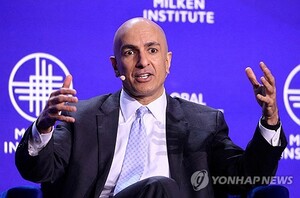
With tensions in the Middle East escalating recently, interest in the impact on the global economy is growing. Neel Kashkari, President of the Federal Reserve Bank of Minneapolis, noted that changes in oil prices resulting from this situation will be a significant variable for the economy.
President Kashkari analyzed that the oil price shock caused by the current conflict involving Iran could be compared to the situation during the war in Ukraine. Since a sudden rise in oil prices leads to a simultaneous increase in inflation, this has a major impact on the policy decisions of the Federal Reserve, the U.S. central bank.
Meanwhile, the President of the Federal Reserve Bank of Chicago expressed concern regarding inflation in the service sector. He emphasized that to stabilize prices, not only the prices of goods but also service fees must be stabilized. This indicates that the current inflationary trend is not easily subsiding.
These economic conditions could also lead to changes in U.S. interest rate policy. If inflation intensifies again due to rising oil prices, it is highly likely that the timing of interest rate cuts, which many are anticipating, will be delayed longer than expected.
In conclusion, geopolitical risks in the Middle East are causing instability across the global economy through energy prices. Investors and experts worldwide are closely watching what choices the Fed will make for price stability and economic growth in the future.