Over 9 out of 10 Korean adolescents are nearsighted… among the highest in the world
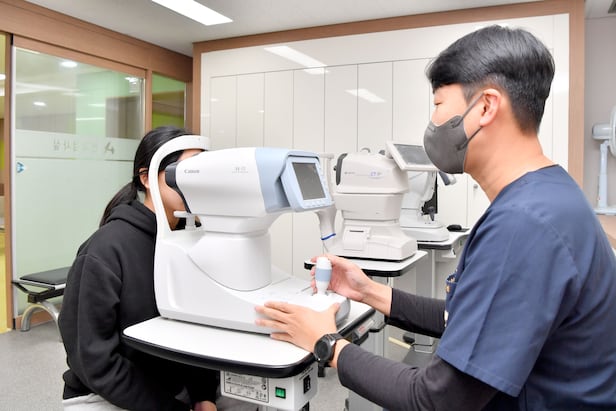
According to recently released data, the prevalence of myopia among Korean adolescents has reached 96.5%. This is an extremely high figure globally, approximately twice as high as that of other countries such as Taiwan and the United States.
Myopia, or nearsightedness, is a condition where objects at a distance appear blurry. Experts analyze that the primary causes for the increase in myopia are the long hours Korean adolescents spend indoors for their studies and their heavy usage of electronic devices such as smartphones and computers.
Ophthalmologists warn that this phenomenon goes beyond the simple inconvenience of wearing glasses; if it progresses to 'high myopia' later in life, it can even increase the risk of blindness. Deteriorating eye health can have a negative impact not only on daily life but also on learning efficiency.
Accordingly, the ophthalmology community emphasizes that it is urgent to prepare measures to protect the eye health of adolescents. In particular, it is important to introduce regular refraction tests in schools and to educate students on proper lifestyle habits to reduce eye strain.
Adolescence is a critical period when vision is finalized. Experts advise that students should pay special attention to managing their eye health, such as by increasing time spent on outdoor activities and taking appropriate breaks when using electronic devices.