South Korea's Diplomatic Strategy Amid U.S.-China Tensions: 'Middle Power Solidarity' is Key
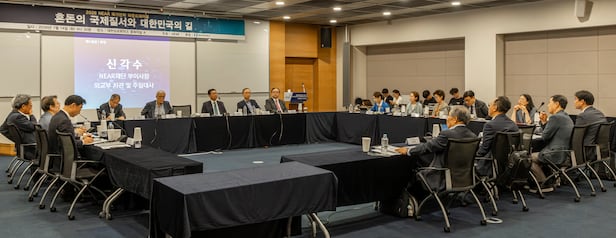
As tensions between the United States and China deepen, the importance of South Korea's diplomatic strategy is growing. On the 14th, the NEAR Foundation held a national strategy forum to discuss the direction South Korea should take amidst the rapidly changing international landscape.
Experts emphasized that South Korea needs a 'hedging' strategy to manage risks between the U.S. and China. They argued that rather than simply taking sides, the country must protect its national interests while securing practical gains. To this end, the opinion was raised that South Korea should lead solidarity among middle-power nations.
In particular, there are strong calls to strengthen cooperation with Gulf countries such as the United Arab Emirates (UAE). This means expanding economic and security cooperation with a diverse range of countries rather than relying solely on any one major power.
Furthermore, it is crucial to secure South Korea's 'strategic autonomy' while maintaining its alliance with the U.S. The analysis suggests that in exchange for providing strategic flexibility to the U.S., South Korea must also cultivate the strength to protect its own diplomatic options.
In conclusion, South Korea must implement flexible and wise diplomatic policies amidst increasingly complex international relations. Preparing for a stable future through solidarity with various nations is expected to be the core task of South Korean diplomacy.