National and regional politics: tensions between the PSOE and the PP
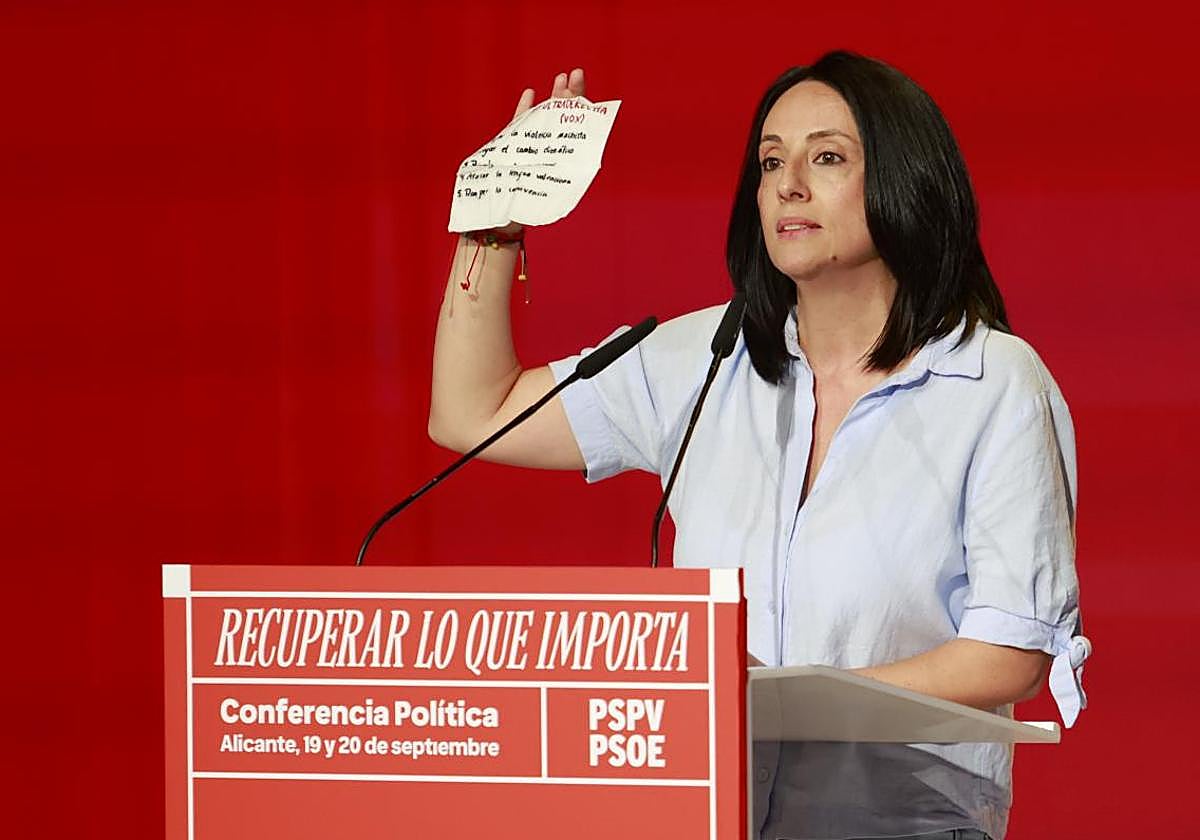
Current political events in Spain continue to be marked by debates between the main parties. Recently, the Spanish Socialist Workers' Party (PSOE) has expressed its dissatisfaction with the management of Juan Vivas, President of the Autonomous City of Ceuta, accusing him of strictly following the guidelines set by Alberto Núñez Feijóo, leader of the People's Party (PP).
This criticism arises at a time of high political tension, where the decisions of regional leaders are analyzed under the magnifying glass of national strategies. The PSOE maintains that Vivas's dependence on the PP's central leadership limits the autonomy necessary to resolve the specific problems affecting the citizens of Ceuta.
For its part, the People's Party defends the unity of action of its representatives throughout Spanish territory. According to party sources, coordination between regional governments and the national headquarters is essential to maintain a coherent stance in the face of the economic and social challenges the country currently faces.
This exchange of statements reflects the political polarization that Spain has been experiencing in recent months. As the parties prepare for upcoming electoral and legislative challenges, citizens are observing how these disputes influence the decision-making that affects their daily lives and the management of public services.
In conclusion, the conflict between the PSOE and the PP over the figure of Vivas is one more example of how national politics conditions the local agenda. The stability of institutions and the capacity for dialogue between the different political forces remain key issues for the future of the Spanish political landscape.