The elections in Andalusia and infrastructure development mark current Spanish affairs
The elections in Andalusia have left a very relevant political landscape for the region's future. With the count almost complete, the People's Party (PP) has secured 53 seats, falling just two short of an absolute majority. For its part, the PSOE has obtained 28 seats and Vox has risen to 15. A very notable fact of the day was citizen participation, which reached 64.83%, a significantly higher figure than in the elections four years ago.
Following these results, a political process begins that could last for several months. The constitution of the new Andalusian Parliament is scheduled for June 11, but the president's investiture will depend on the pacts reached. The current president, Juanma Moreno, will have to demonstrate his negotiation skills to form a stable government, in a scenario where the PSOE has lost strength and parties on the extremes have grown.
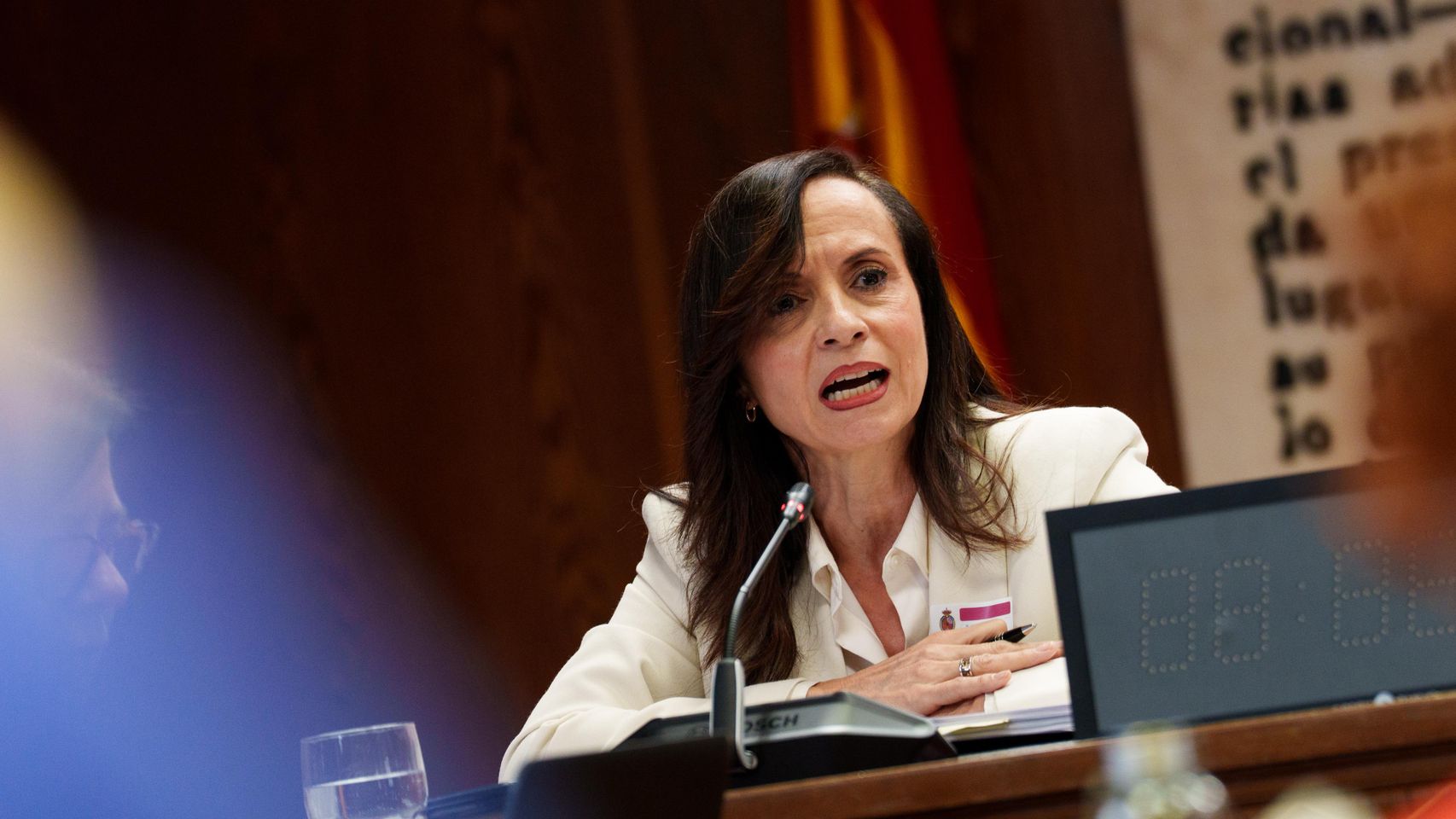
In other news of national interest, political activity has also focused on Catalonia and the Congress of Deputies. The Catalan president, Salvador Illa, and the leader of ERC, Oriol Junqueras, presented the Orbital Railway Line project today. At the same time, in Madrid, Beatriz Corredor appeared before the Congressional commission investigating the blackout that occurred on April 28 to provide details on the management of that incident.
On the other hand, northwestern Spain seeks to gain political and economic weight through regional cooperation. The VI Forum of the Atlantic Arc Chambers of Commerce and a new edition of the Northwest Forum were held. In these events, representatives from Asturias, Galicia, and Castile and León defended the need to work together to become decisive players in the Spanish economy, leveraging their industrial and logistical potential.
One of the main topics in these forums was the development of the Atlantic Corridor. Experts and regional leaders maintain that this project should not be seen simply as administrative compensation, but as a fundamental matter of competitiveness. The current debate focuses on the economic cost to the country of not fully completing this essential transport infrastructure for connection with the rest of Europe.
Business organizations from these regions have taken their requests to Brussels to prevent the existence of "two-speed" infrastructures in Europe. Leaders warn that the northwestern peninsula suffers from a structural deficit that limits its economic development. For this reason, they call for acting with determination and a vision for the future to resolve the lack of investment that has affected this area for years.
Finally, the focus has been placed on the modernization of the railway system as the backbone of the region. The goal is to carry out major works that make the train the main engine of transport in the northwestern macro-region. In this way, it is expected that the improvement of railway communications, complemented by other means of transport, will definitively boost the industry and competitiveness of these territories.