New scientific study rules out link between pesticides and autism
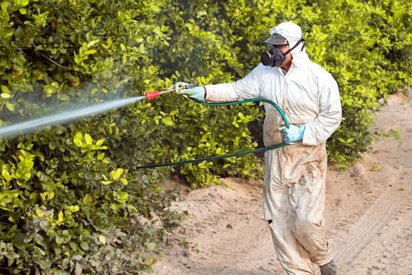
A recent scientific study has brought peace of mind to many families by revealing that there is no direct link between prenatal exposure to certain agricultural insecticides and the development of autism spectrum disorders. This research, recently published, analyzes data on the use of chemicals in rural environments during pregnancy.
For years, various sectors of society had expressed concern about the potential negative effects of phytosanitary products on the neurological development of babies. However, experts have carefully examined the available data and concluded that the insecticides analyzed do not show a clear connection to autism.
The research team used a rigorous methodology to compare levels of pesticide exposure in pregnant women and the subsequent development of their children. The results indicate that other genetic and environmental factors could have a much greater weight in the development of these conditions, moving away from the suspicion that had fallen on agricultural products.
This finding is relevant for the scientific community and health authorities, as it allows research resources to be focused on other areas that could indeed influence child health. The medical community highlights the importance of continuing to conduct long-term studies to better understand the factors that affect development during pregnancy.
In conclusion, this study provides important data to clarify common doubts about environmental safety. Although science continues to investigate the effects of chemicals on our health, this news offers a more optimistic view regarding the safety of products used in modern agriculture.