The difficult challenge of saving the Cantabrian capercaillie: a fight against extinction
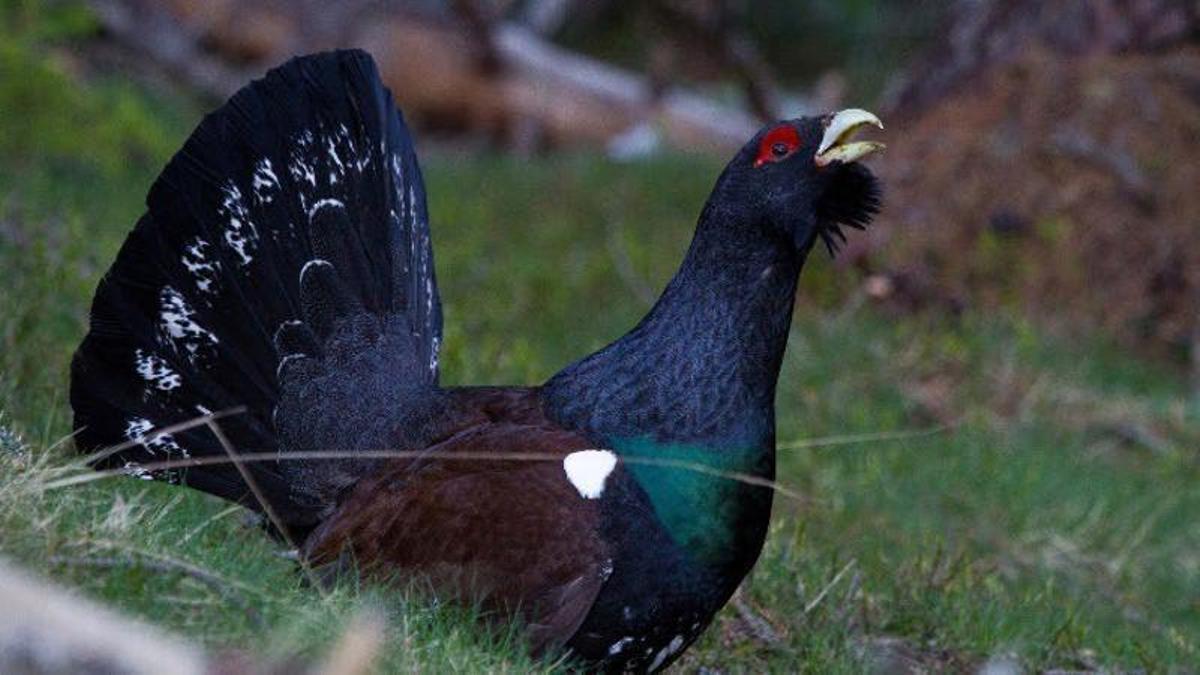
The Cantabrian capercaillie is one of Spain's most emblematic and ancient birds. This animal, which originated in the ice age, has managed to survive in the mountains of the north of the peninsula for thousands of years. However, in recent decades, its population has decreased alarmingly, placing the species in critical danger of extinction.
To try to stop this disappearance, authorities and scientists have created captive breeding centers. The main objective of these places is to protect the eggs and chicks to later release them into their natural habitat. However, the results so far are not positive and the task of recovery seems almost impossible.
The main problem is that the specimens born in these centers do not manage to adapt to life in the wild. According to experts, chicks raised artificially do not have the necessary skills to survive alone in nature. Many of them do not know how to search for food or how to protect themselves from predators in the same way as those born in the forest.
In addition to the difficulties of breeding, the capercaillie faces other significant challenges in its environment. Climate change, the loss of its natural habitat, and the pressure from other species affect its daily life. Although this bird has resisted since prehistoric times, current conditions in the Cantabrian mountains are very different from those of centuries ago.
In conclusion, the future of the Cantabrian capercaillie is uncertain and represents one of the greatest ecological challenges today. Despite previous failures in captive breeding, researchers continue to seek new strategies to help the species. The final goal is to prevent this symbol of Spanish biodiversity from disappearing forever from our landscapes.