Digitalization: The key engine for the future of Spanish companies
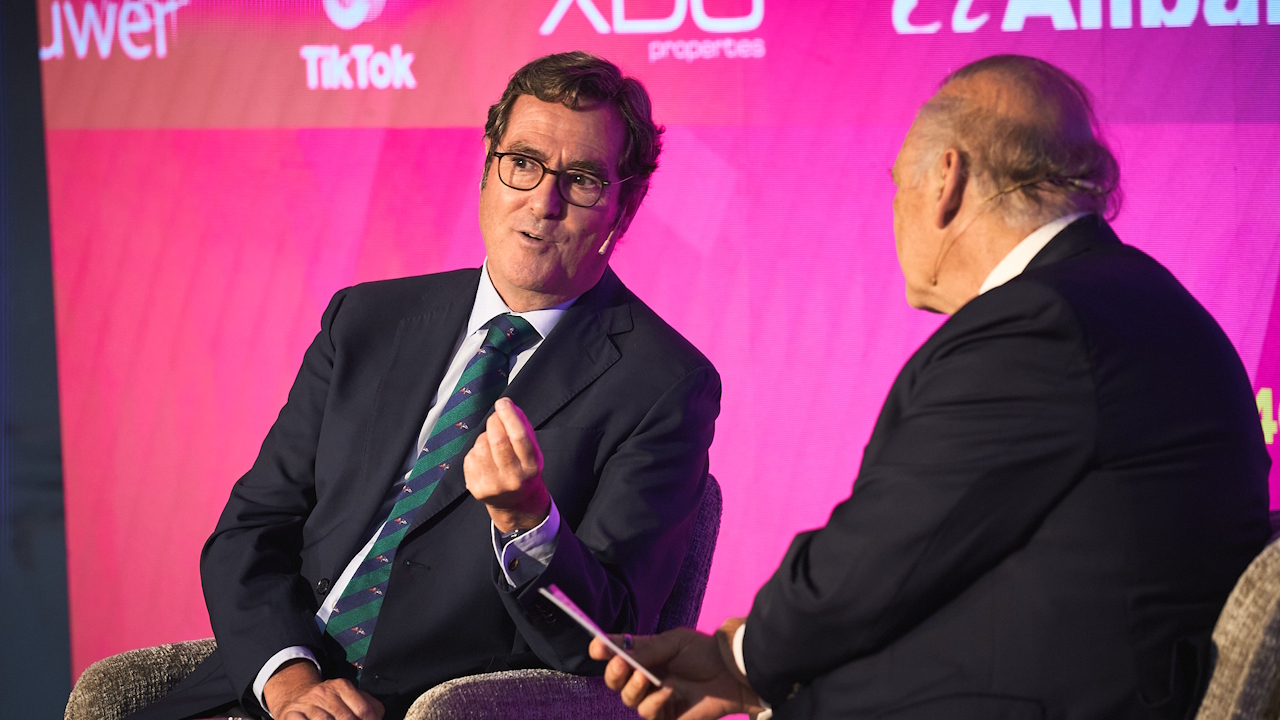
Digital transformation is no longer an option, but has become an urgent necessity for the Spanish business fabric. According to Antonio Garamendi, president of the Spanish Confederation of Business Organizations (CEOE), digitalization is no longer an issue that affects only a specific sector, but has become a horizontal and multisectoral process that permeates all areas of the economy.
This paradigm shift implies that all companies, from small local businesses to large corporations, must integrate new technologies into their daily processes. The main objective is to improve efficiency, reduce costs, and adapt to the demands of a global market that is increasingly competitive and technological.
For many Spanish companies, this process represents a significant challenge in terms of investment and training. Experts point out that it is not enough to acquire new computer equipment; it is essential to train workers so that they can successfully manage these tools. Digitalization therefore requires a change in work culture and in the mindset of managers.
Furthermore, digitalization is a fundamental pillar for the country's sustainability and economic growth. The use of data and artificial intelligence allows companies to make better decisions and offer more personalized products to their customers. This not only benefits organizations, but also improves the quality of the services that citizens receive in their daily lives.
In conclusion, digitalization is consolidating itself as the central axis of Spain's modernization. The success of this transition will depend on the collaboration between the public and private sectors to ensure that no company is left behind on this path toward a more connected and efficient future.