Spain seeks a mediating role in the Middle East conflict
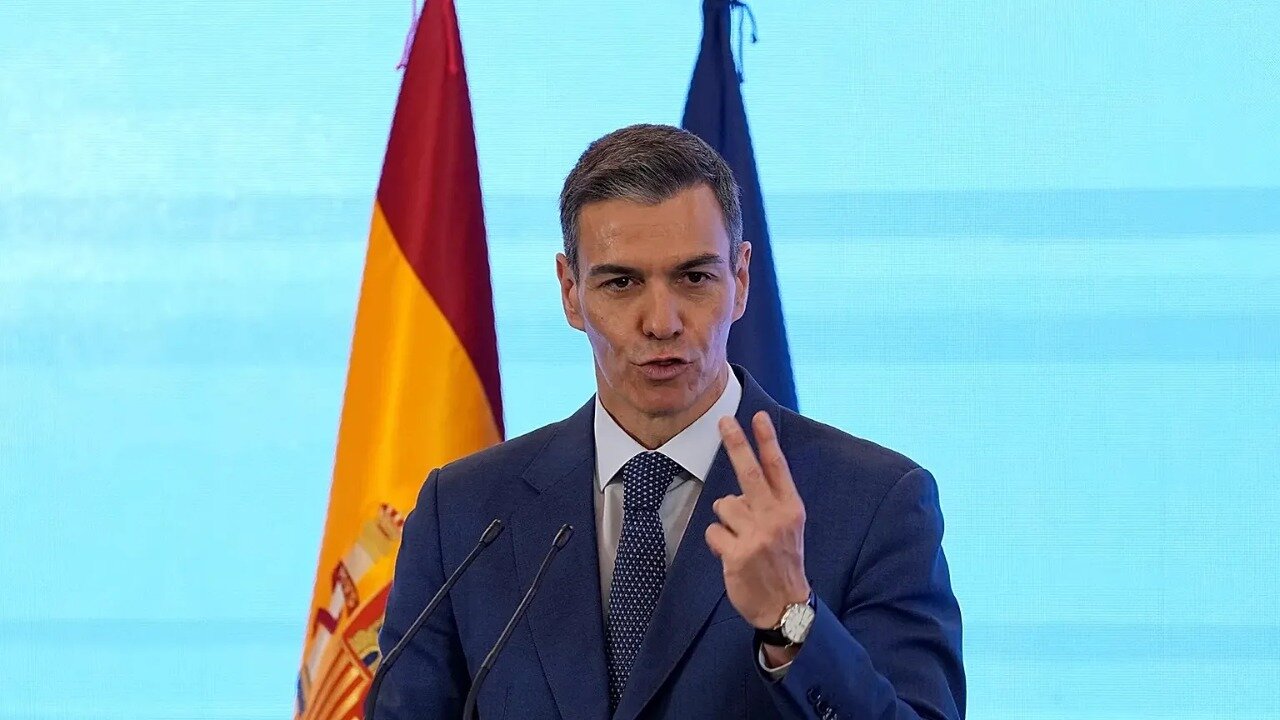
In recent months, Spain's foreign policy has captured the attention of the international community. The Spanish government, led by Pedro Sánchez, has adopted a critical stance regarding the current conflicts in the Middle East. This position marks a notable difference from other Western countries, such as the United States, which maintain more traditional strategies in the region.
Madrid has become an active voice calling for an end to hostilities and the start of peace talks. While some Western allies maintain firm support for military operations, Spain insists on the importance of diplomacy. Madrid's main objective is to avoid a greater escalation of violence involving regional powers such as Iran.
President Pedro Sánchez has defended this strategy in various international forums and meetings with world leaders. According to several analysts, this approach seeks to position Spain as a communication bridge between the West and the Arab world. Sánchez maintains that lasting peace will only be achieved through dialogue and respect for international laws by all countries involved.
This diplomatic decision has generated various debates inside and outside the country. Some sectors criticize Spain for moving away from the common line of its historical partners. However, for others, it is an opportunity for the country to gain autonomy and political weight within the European Union. The government's priority remains reducing tension to protect global economic and social stability.
In conclusion, Spain is redefining its place on the world stage through its own foreign policy. By proposing an alternative to military confrontation, the government hopes to positively influence the resolution of one of the most complex conflicts of our era. The coming months will be fundamental to see if this strategy achieves a real impact on international politics.