The role of the immigrant population in the Spanish healthcare system
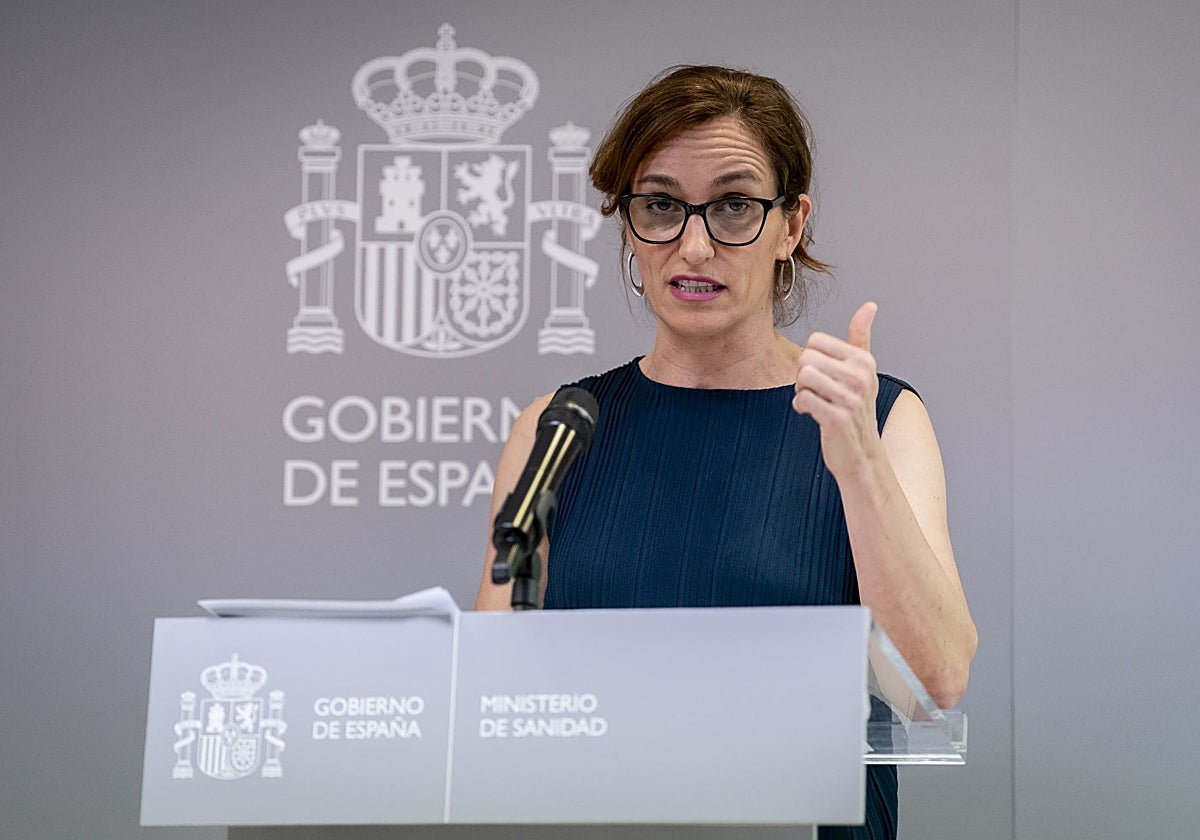
A recent report published by local media in Alicante has focused on the relationship between the immigrant population and the public health system in Spain. The analyzed data suggest that this group makes an economic contribution to the system that exceeds the resources it consumes through healthcare.
According to the study, immigrants residing in Spain use medical services less frequently than the native-born population. This phenomenon is explained, in part, by the demographic profile of immigrants, who are usually of working age and generally in good health upon arriving in the country.
The report highlights that, by being integrated into the labor market and contributing to Social Security, immigrants provide constant funds to the system. These contributions help sustain public healthcare, a service that, in many cases, is used more intensively by older citizens or those with chronic illnesses.
This analysis seeks to offer an objective view of the impact of immigration on essential public services. Experts point out that understanding these dynamics is fundamental to correctly managing state resources and ensuring the long-term sustainability of the healthcare system.
In conclusion, the data presented reinforce the idea that the immigrant population plays an active and positive role in the Spanish economy. The information invites reflection on the importance of labor integration for the maintenance of public services that benefit society as a whole.