Western Sahara: A historical conflict that continues to shape Spain's foreign policy
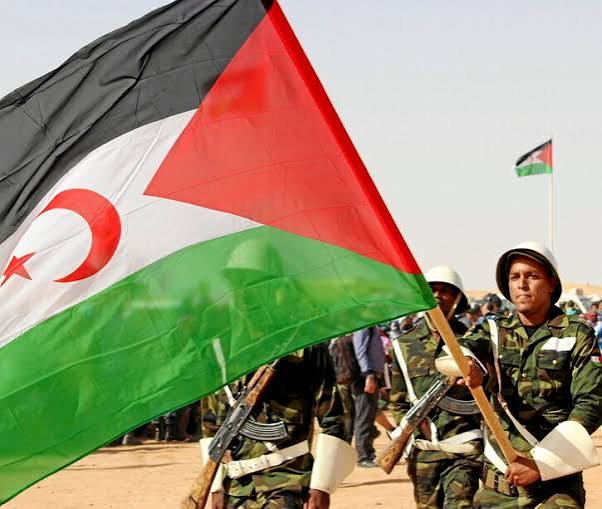
The Western Sahara conflict remains one of the most complex and sensitive issues in Spanish foreign policy. As the former administrative power of the territory, Spain maintains a very close historical and diplomatic relationship with this region, making this matter of great relevance to Spanish society and the Government.
The situation in Western Sahara is viewed by many analysts as an open wound from the colonial period that has yet to find a definitive solution in the 21st century. The debate centers on the Sahrawi people's right to self-determination and the search for a diplomatic balance that allows for the maintenance of stability in North Africa, a strategic area for the interests of Spain and the entire European Union.
In recent years, the Government of Spain has made significant changes to its official stance, seeking a rapprochement with Morocco to improve cooperation in key areas such as the management of migratory flows and security. However, this diplomatic shift has generated numerous criticisms and debates both in the Congress of Deputies and among the general public, who follow the impact of these decisions on the Sahrawi population very closely.
The international community, through the United Nations, continues to work toward finding a political solution that is accepted by all parties involved. In the meantime, the conflict remains a reminder of the pending challenges left by the decolonization process on the African continent and its direct repercussion on our country's international relations.
In conclusion, the future of Western Sahara remains a current issue that requires constant attention from the Spanish authorities. The pursuit of a lasting and just peace is not only a matter of historical justice, but also a priority for ensuring political stability and cooperation in the Mediterranean.