Inclusive technology will allow 70,000 blind people to 'hear' the next solar eclipse in Spain
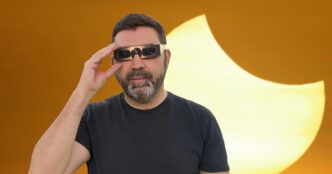
On August 12, Spain will witness a solar eclipse that will be enjoyed by the entire population, including people with visual impairments. Thanks to innovative technology developed by the Institute of Astrophysics of Andalusia (IAA), around 70,000 blind people will have the opportunity to experience this astronomical phenomenon through sound.
The system works by converting light and changes in the sun's intensity into sound signals. As the Moon obscures the Sun, variations in brightness are transformed into different musical notes and auditory frequencies. In this way, users can follow the progress of the eclipse in real time, perceiving the movement and the darkness through their hearing instead of their sight.
This project not only stands out for its scientific and social value, but also opens new doors in the inclusive technology sector. Experts point out that this business model demonstrates that accessibility can be a driver of innovation, allowing complex astronomical events to be understandable and enjoyable for anyone, regardless of their physical abilities.
The initiative has generated great interest in both the scientific community and associations for people with disabilities in Spain. The goal is for this tool to become a standard for future astronomical events, ensuring that access to science is a universal right and not a barrier for those with visual difficulties.
In conclusion, the IAA's development marks an important milestone in technological integration within Spanish society. With this breakthrough, the August 12 eclipse will cease to be merely a visual spectacle to become a complete sensory experience, reaffirming the country's commitment to inclusion and the development of technological solutions at the service of all citizens.