An HIV drug and changes in gut microbiota linked to depression
Published
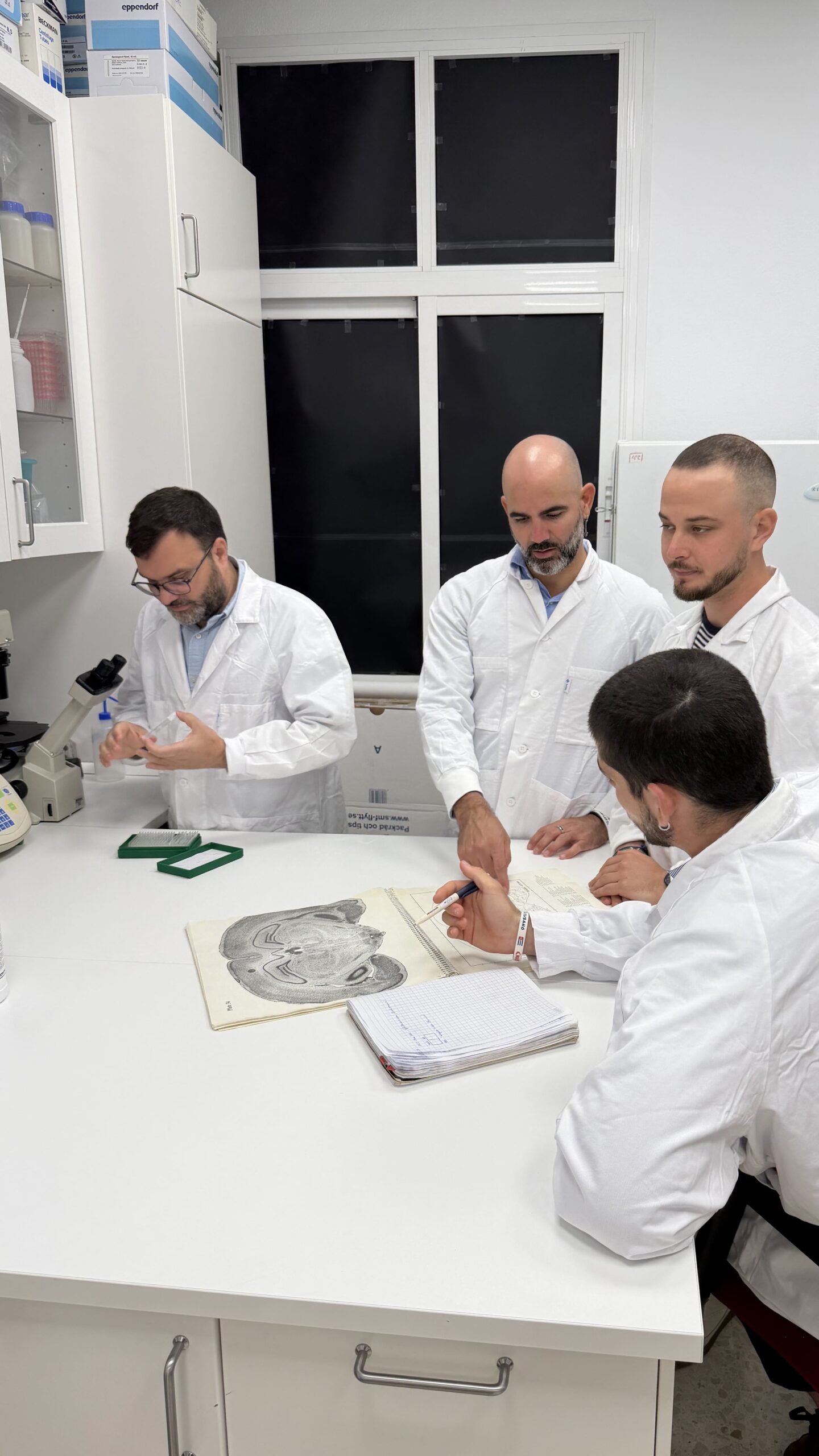
A new scientific study has linked the effects of an HIV drug with changes in the gut microbiota and with depression. The information comes from the Fundación Descubre, a Spanish institution that shares scientific research with the general public.
The gut microbiota is the group of bacteria that live in the digestive system of people. According to the available information, the research observes that the treatment causes changes in these intestinal bacteria. These changes are associated with depression, an illness that affects mood and the daily life of those who suffer from it.
The relationship between the gut and the brain is a topic that interests scientists more and more. Many studies aim to understand whether intestinal bacteria can influence mental health. In this case, the work suggests that the effects of a medicine on the microbiota could be related to depressive symptoms, although more studies are needed to confirm this association.
For now, the results are preliminary and do not allow definitive conclusions about the treatment of depression or about the use of the drug. Experts point out that it is necessary to keep researching in order to better understand how these mechanisms work and what consequences they may have for patients.
Sources: Fundación Descubre
More Spain news
- The TV market is changing with MiniLED and Micro RGB technology
- Spain face Italy in the Davis Cup final in Bologna
- Black Friday deals in Spain: discounts still active this Sunday
- China speeds up its space programme to reach the Moon with astronauts
- A storm in the United States leaves hundreds of thousands of homes without power on Thanksgiving Day
- Concern in Europe and the US over a possible Russian satellite with nuclear weapons
- More than half of children under 5 and people over 64 have already had the flu vaccine
- One Diet, Different Results: Science Backs Personalised Nutrition Against Obesity