Chemopolitics: How Strategic Minerals Influence the International Balance
Published
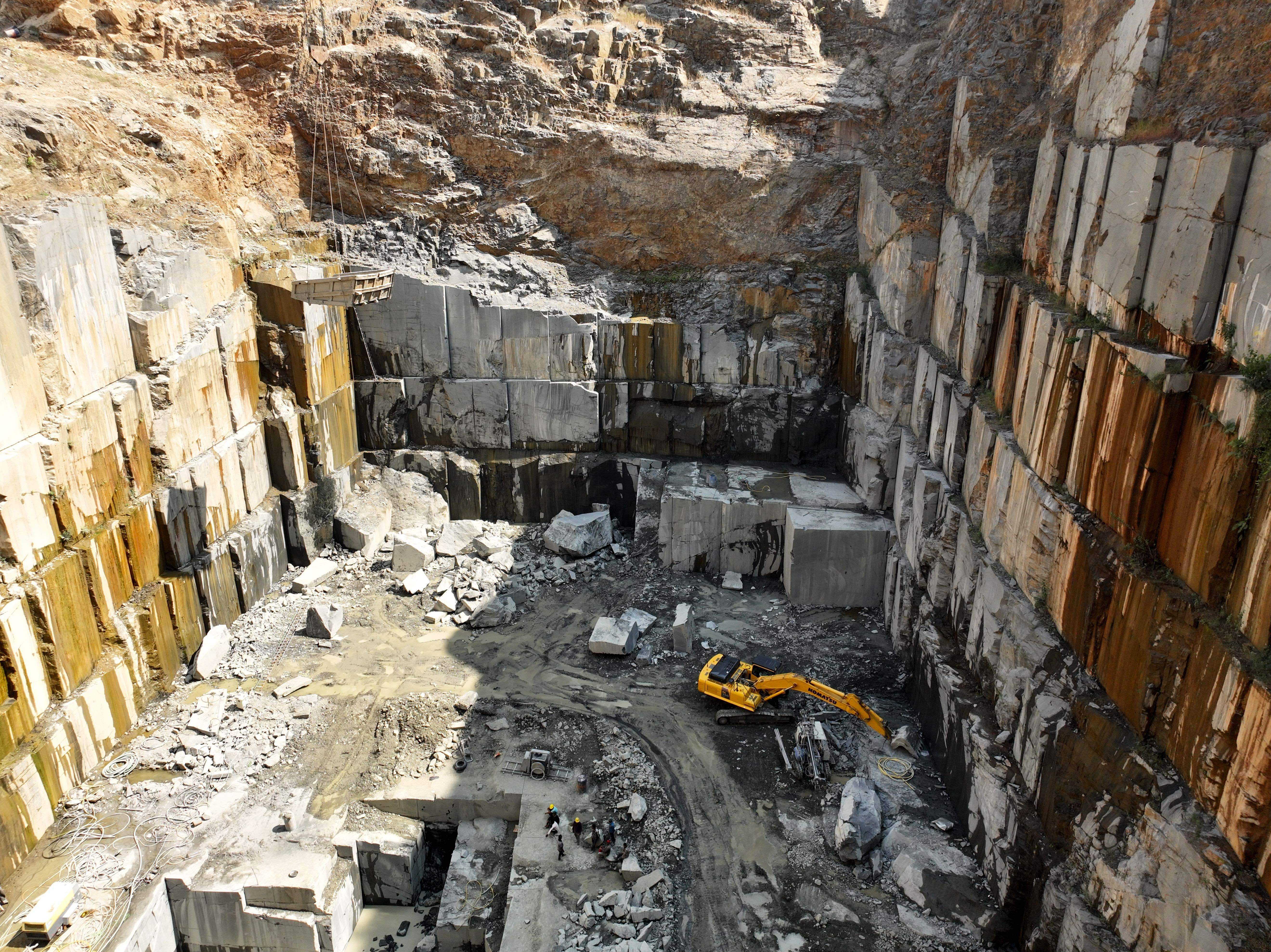
A new term is beginning to be used to describe an increasingly visible reality in the world: chemopolitics. This concept explains how chemistry and materials obtained from nature can influence global power among countries. Experts point out that control of these resources has become an important part of international relations.
Strategic minerals are the centre of this idea. These are materials needed to manufacture high-technology products, such as batteries, electronic equipment and clean energy systems. For this reason, countries that have secure access to these minerals, or that control their processing, can hold an economic and political advantage over other states.
In this context, chemopolitics also affects economies such as Spain's. Spain depends in part on imports of raw materials and technology, so changes in the global supply can have consequences for the country's businesses and industries. Even so, analysis of the concept is still under development, and specialists continue to study its long-term effects.
In conclusion, chemopolitics describes the relationship between chemistry, natural resources and international power. Its importance grows as demand for strategic minerals increases, so it will remain a relevant topic in the coming years.
Sources: El Nacional.cat
More Spain news
- Warning about unlicensed online casinos in Spain: what risks they pose
- Ten years of the Victims of Crime Statute: the University of Valencia organises a conference to analyse its impact
- Making Science receives a €2.5 million loan to boost its international growth
- Making Science receives a €2.5 million loan to boost artificial intelligence
- Rayo Vallecano and Athletic Club face off in La Liga: live coverage and statistics
- Atlético de Madrid could sign Martín Zubimendi in January
- Spain wins four silvers and three bronzes at the Clio Sports
- Cucurella highlights Arda Güler as the Real Madrid player who goes most unnoticed