Current Affairs Summary: Emergencies, Politics, and Social Progress in Spain
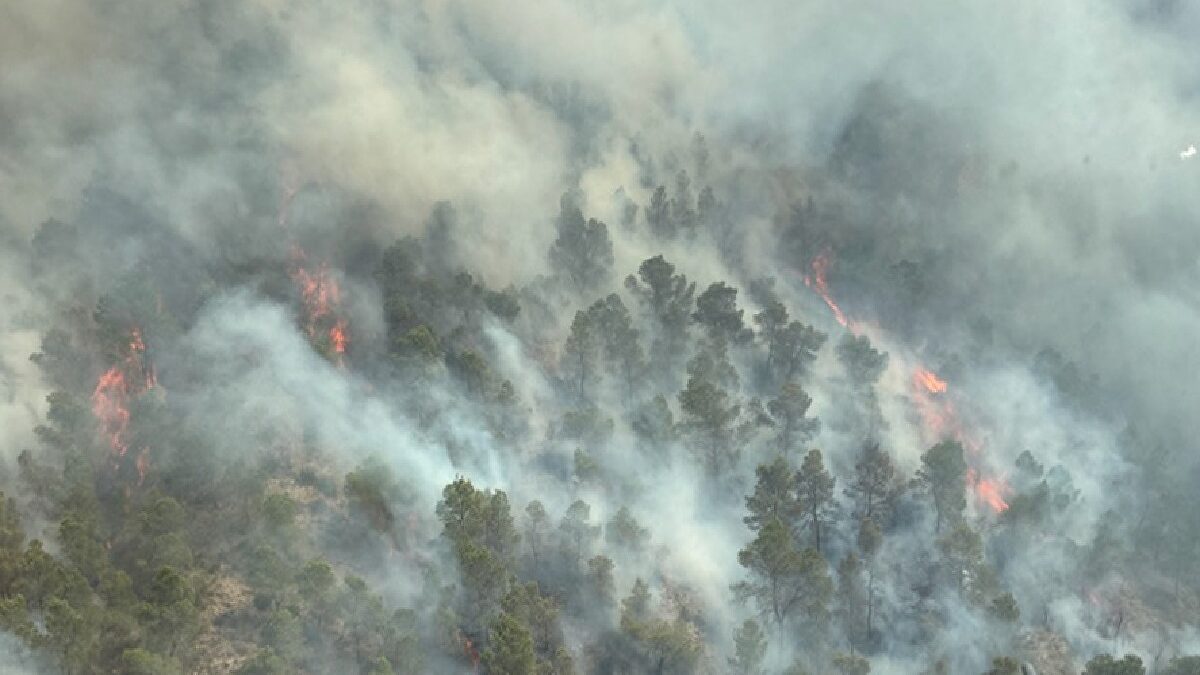
Today's news begins with a critical situation in the Region of Murcia. A serious forest fire in the El Valle-Carrascoy Regional Park has forced the regional government to activate the maximum emergency level. Due to the danger of the fire, authorities have requested the intervention of the Military Emergencies Unit (UME) to assist in extinguishing efforts and protect the affected natural areas.
In the field of justice and national politics, the organization Impulso Ciudadano has sent a formal complaint to the European Commission. The entity denounces what it considers systematic harassment of the Judiciary by Pedro Sánchez's government. At the same time, the Anti-Corruption Prosecutor's Office has requested six more months to investigate the alleged corruption case involving former minister José Luis Ábalos, as they believe there is still important evidence to be discovered.
Related to this same case, Víctor Ábalos, son of the former PSOE Secretary of Organization, has made controversial statements. According to Víctor, former minister José Bono warned his father months before his dismissal that his phone calls were being monitored. Ábalos' son maintains that it is impossible for the President of the Government not to have been aware of the entire situation surrounding his father.
On the other hand, regional politics is also experiencing moments of change. Raquel Martínez, the coordinator of Podemos in Andalusia, has submitted her resignation following poor results in the latest elections. Martínez has publicly lamented not having had enough autonomy to lead the party. Meanwhile, in the Canary Islands, the regional government has announced a new aid plan for self-employed workers. This program will allow self-employed individuals who take medical leave to receive up to 700 euros to cover their Social Security contributions.
Regarding infrastructure and urban planning, there is positive news for Madrid citizens and travelers. The Madrid City Council has allocated 50 million euros to the "Plan Rehabilita" to improve and beautify the facades of the city's buildings. For its part, Adif has announced the end of works at the Chamartín-Clara Campoamor station. After four years of work, the station is now operating at full capacity, facilitating high-speed train (AVE) travel to northern Spain.
Finally, technology takes center stage in education and public management. In Asturias, more than 5,000 students have begun their university entrance exams (PAU) with a novelty: the use of artificial intelligence to detect prohibited electronic devices. Lastly, the Canarian public company Gesplan has approved its first artificial intelligence strategy. The objective of this plan is to use technology to improve environmental and territorial management until the year 2027.