New research shows how activists and politicians are moving closer to each other
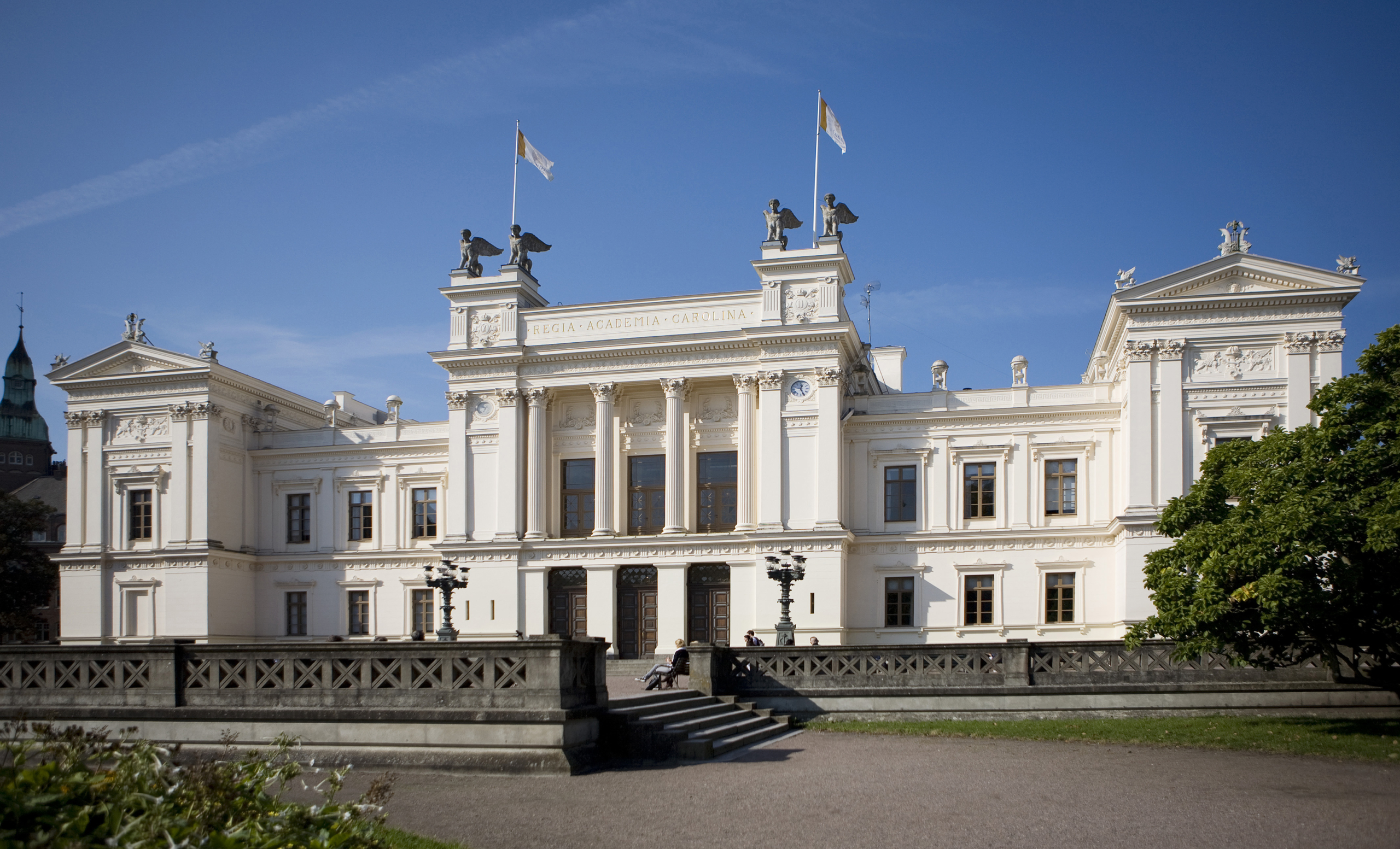
A new study from Lund University has examined how the relationship between grassroots activists and decision-makers has changed. The research shows that there is increased contact and collaboration between individuals who advocate for civil society issues and those who hold political or economic power.
Traditionally, activists have often stood outside established power structures in order to criticize them from the outside. However, the new mapping suggests that the boundaries between these groups are becoming blurred. Increasingly, leaders within civil society now have direct channels to politicians and business leaders.
The researchers have analyzed how these networks function in practice. The results indicate that activists are becoming part of the political conversation to a greater extent than before. This can lead to issues that were previously marginalized now having a clearer place on the political agenda.
At the same time, this development raises questions about independence. When activists and political elites work more closely together, discussions arise regarding whether the original messages of grassroots movements are affected or changed in their encounter with power.
The study from Lund University provides an important insight into how Swedish society is changing. By understanding these new patterns, we can gain a better picture of how influence and political decision-making function in today's Sweden.