The Sweden Democrats' political journey: From 3 percent to the second-largest party in the Riksdag
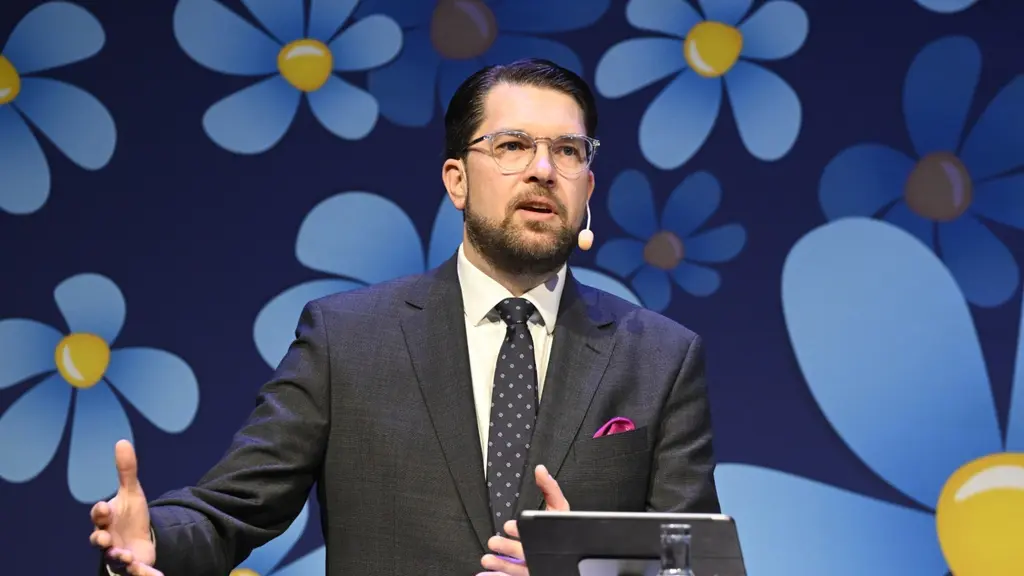
The Sweden Democrats have undergone one of the most dramatic transformations in Swedish political history over the last two decades. In the 2006 general election, the party received only 2.9 percent of the votes, meaning they did not reach the four-percent threshold required to enter the Riksdag. Today, the situation has changed radically, and the party is now the second-largest force in the Riksdag.
This development has occurred gradually over several election cycles. After entering the Riksdag for the first time in 2010, the party has increased its voter support in every subsequent election. Analysts point out that issues such as migration, law and order, and welfare have been central to the party's ability to attract new voters from across the country.
Going from a small party outside the Riksdag to becoming one of the most influential political actors has affected the Swedish parliamentary landscape. Today, the party cooperates with the government coalition, which means their policies have a direct impact on how Sweden is governed and what decisions are made in the Riksdag.
The journey from 2006 to today shows how quickly the political climate in Sweden can change. For voters, this means a new reality where the Sweden Democrats play a decisive role in Swedish politics, which continues to be a subject of debate and analysis ahead of future elections.