Experts: Elderly care needs to improve at meeting the needs of dementia patients with a different native language
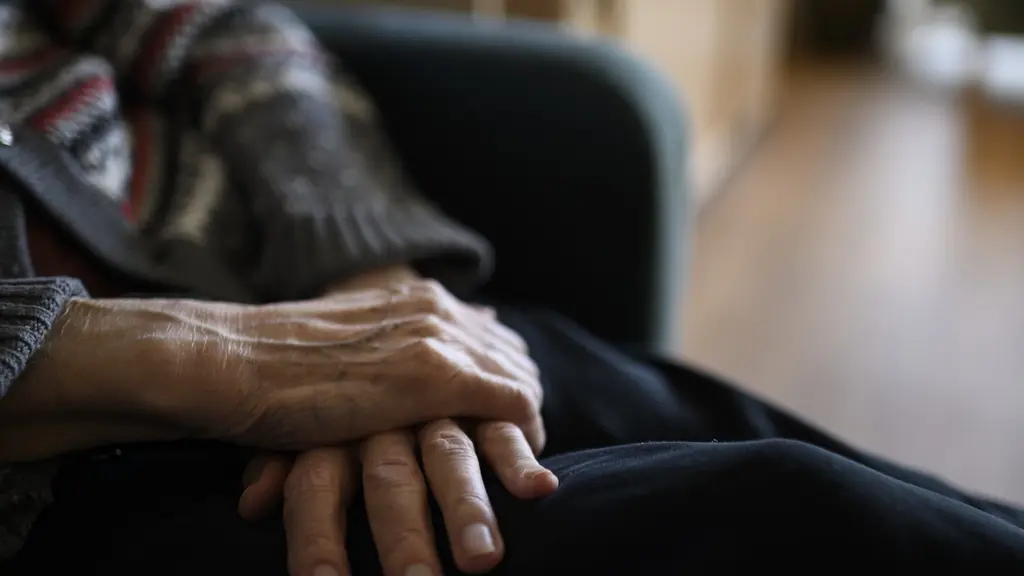
Swedish elderly care is facing a new challenge as the population ages. Experts now argue that the healthcare system must become better at supporting patients with dementia who have a native language other than Swedish.
When a person is affected by dementia, it is common for their memory to gradually deteriorate. For individuals who learned Swedish as adults, the disease often means they forget the second language they learned later in life. Instead, they revert to only understanding and speaking their native language.
This creates major problems in the daily lives of the elderly. If staff at a nursing home do not understand the patient's native language, it becomes difficult to provide the right care, medication, and sense of security. This can lead to the patient feeling isolated, afraid, and misunderstood in an environment where they should feel safe.
Experts emphasize that more knowledge and new methods are needed within elderly care to handle this situation. It is not just about offering language assistance, but also about understanding the cultural background of the elderly to be able to provide more personal and dignified care.
In summary, reports show that the need for linguistic competence in healthcare is growing in an increasingly international Sweden. Being able to communicate in the patient's native language is becoming a crucial part of future elderly care to ensure that everyone receives the help they are entitled to.