Discussion on Swiss neutrality: A look at the current role
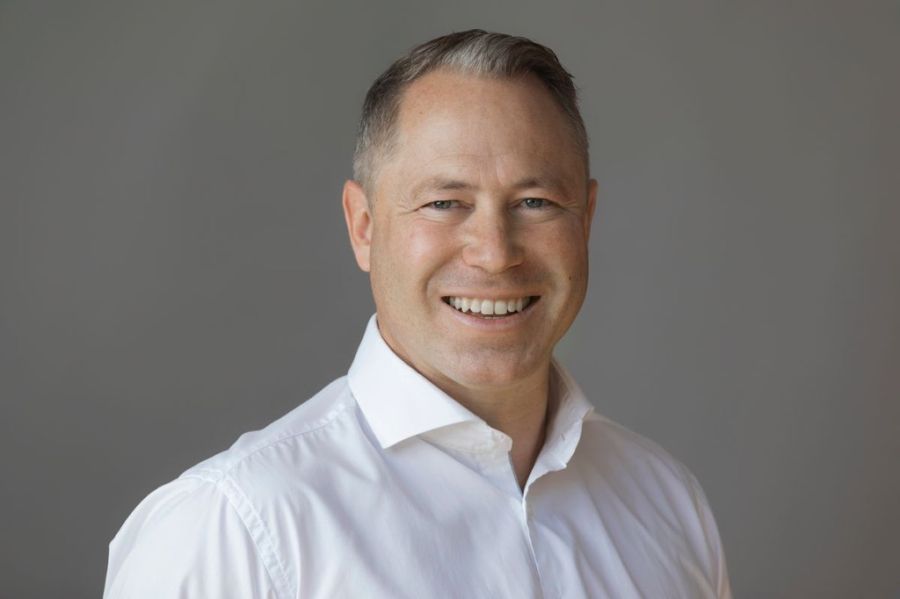
The question of Switzerland's neutrality is currently occupying politics and society intensely. In a recent analysis, publicist Philipp Gut emphasizes that in the eyes of the international community, Switzerland has lost its traditional, strict neutrality. This assessment is triggering a lively debate in Swiss politics about how the country should position itself in an increasingly complex global security situation.
Since the beginning of the war in Ukraine, Switzerland has adopted various sanctions from the European Union. While proponents see this step as necessary solidarity with Western values, critics argue that Switzerland is thereby jeopardizing its role as a neutral mediator. The government, however, continues to emphasize that the country actively contributes to peace promotion and acts as a bridge-builder.
The international perception of Switzerland has changed as a result of these developments. Many states now view Switzerland more as part of the Western alliance than as a neutral actor between the fronts. This has implications for the country's diplomatic options, particularly in organizing peace conferences or assuming protecting power mandates.
The Swiss population is divided on this issue. Surveys show that while the majority wants to hold on to neutrality, they simultaneously expect a clear stance in international conflicts. The challenge for policymakers now is to find a middle ground that both guarantees the country's security and preserves its diplomatic credibility on the world stage.
In summary, it can be said that Switzerland is facing a historic realignment of its foreign policy. The coming months will show how the country will redefine its role between tradition and the demands of a globalized world. The discussion remains a central topic for the Swiss people.