A Threat to Democracy? How Social Media is Changing Politics
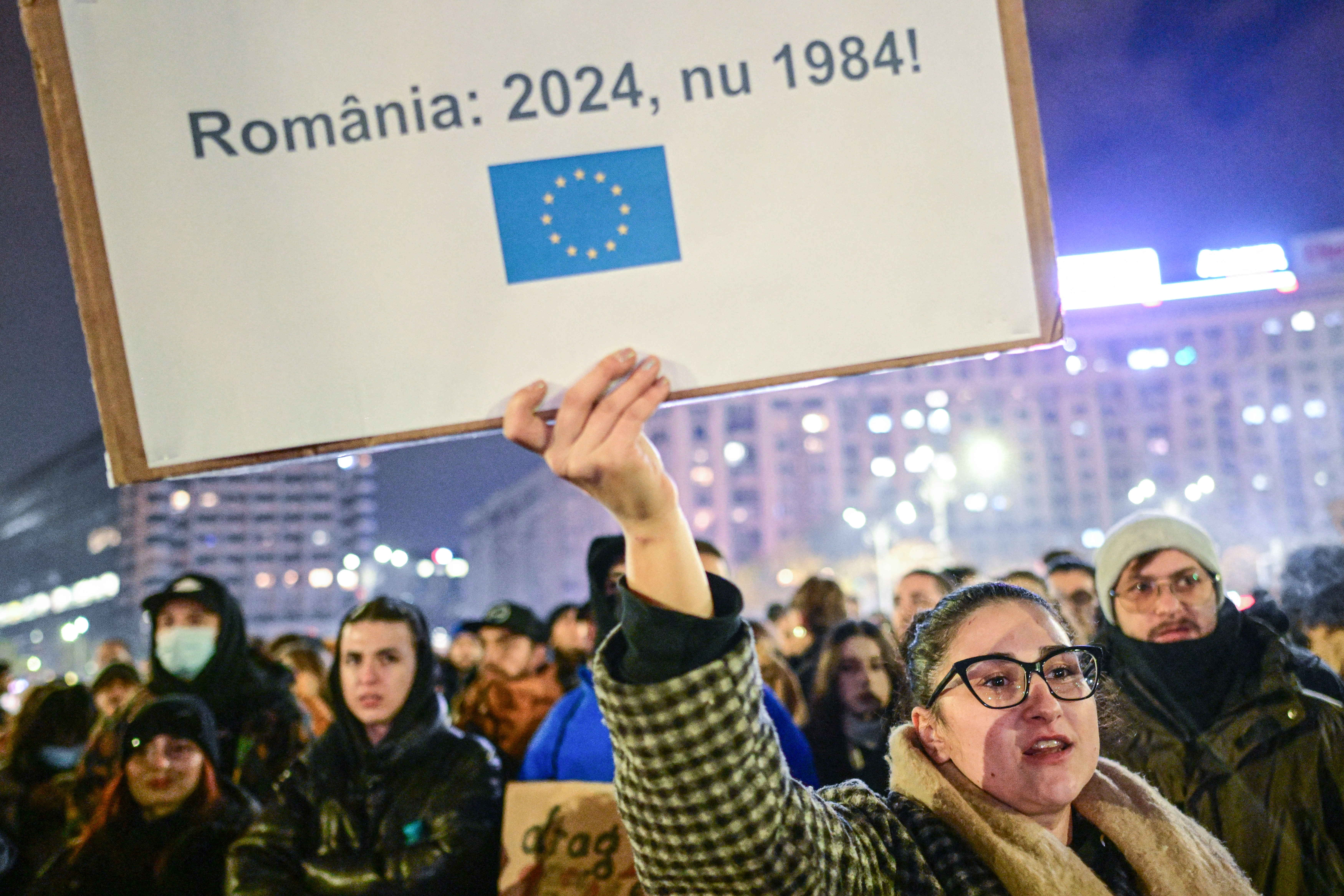
Fifteen years ago, many people had high hopes: social media was expected to strengthen democracy worldwide. Platforms like Facebook or X (formerly Twitter) were intended to enable a free exchange of opinions and promote dialogue between citizens and politicians. Today, however, many people view this development with concern, as the reality often looks quite different.
This topic is of great importance, particularly in Switzerland. In a direct democracy, it is essential that citizens can inform themselves neutrally and comprehensively before participating in votes. However, when social media deliberately spreads misinformation, it can influence the public's political opinion and weaken trust in state institutions.
A major problem is the platforms' so-called algorithms. These often show users only content that confirms their own opinions. This creates "echo chambers" where a genuine exchange with different perspectives no longer takes place. Furthermore, emotional or aggressive messages often spread faster than objective facts, making political debate in Switzerland more heated.
However, there are also positive aspects to consider. Social media gives a voice to small political groups or youth movements that were previously hardly heard in traditional media. In Switzerland, many young people use these digital channels to become interested in politics in the first place and to organize themselves. Thus, the internet can also be a tool for greater participation.
The future of democracy depends heavily on how society handles these digital challenges. Experts are therefore calling for more media literacy across all age groups. Only if users learn to critically evaluate information and use various sources can social media make a positive long-term contribution to political culture.